 App DevelopmentFood Delivery Apps in Dubai: A 2026 Guide for RestaurantsWho runs food delivery in Dubai in 2026, which apps left, and when a restaurant should build its own ordering app instead of relying on aggregators.
App Developers in San Francisco: How to Choose the Right Team
A practical guide for Bay Area founders and product leads hiring app developers in San Francisco: team types, a shortlisting process, red flags and the questions to ask.
The right app developers in San Francisco are the ones who can show you apps they have shipped, explain how they will build yours in plain terms, and put the code and store accounts in your company's name from day one. You do not need a team with an office on Market Street to get that. You need a team that answers hard questions clearly and proves its work with apps you can download today.
This guide is for founders, product leads and operators in San Francisco and the wider Bay Area who are hiring someone to build a mobile app. It covers the kinds of teams you will meet, how to compare them fairly, the warning signs worth walking away from, and what a well run app project looks like from the first call to launch.
What to look for in app developers in San Francisco
San Francisco has more app builders per block than almost anywhere in the country. That is good news and bad news. You have plenty of choice, but every agency site says the same things: user centered, agile, full stack, startup friendly. The words stop helping quickly.
Instead of comparing marketing copy, compare evidence. A strong app team in San Francisco should be able to give you five things before you sign anything:
- Links to apps in the App Store and Google Play that they built and still maintain.
- The names and roles of the people who will actually design, build and test your app.
- A clear reason for the technology they recommend, tied to your users rather than their habits.
- A written scope that lists screens, user roles, the admin panel and integrations.
- A plan for what happens after launch, when real users start finding real problems.
If a team cannot give you all five, keep looking. The rest of this article turns that list into a process you can run in a few weeks.
The kinds of app development teams you will meet
The Bay Area market splits into a handful of familiar types. None is right for everyone, so it helps to know what each one does well and where it tends to struggle.
Boutique product studios
Small teams of designers and engineers who take a product from idea to launch. Many studios in SoMa, the Mission and Oakland work mostly with seed and Series A startups. They are a strong fit when you want one team to own the whole product and you want to talk directly with the people writing the code. Ask how many projects they run at once, because a small studio stretched across too many clients slows down quickly.
Large digital agencies and consultancies
Firms that build apps for enterprises, retailers and public companies, often alongside brand, strategy and marketing work. They bring process, security reviews and the ability to staff a big program. For an early stage product, that structure can add weeks and meetings you do not need. Ask who is staffed on your account after the pitch team leaves.
Freelance developers
Independent iOS, Android or Flutter developers, many of them experienced engineers who left larger tech companies. A good freelancer can be fast and excellent for a prototype or a narrow internal tool. The risk is coverage: if your one developer gets sick, takes a full time job or moves on, nobody else knows the code. Make sure the repository is yours from the first commit.
Distributed teams working with Bay Area clients
Companies whose engineers are spread across several cities and time zones, working with San Francisco clients through daily calls, shared boards and regular builds. This model gives you a larger, steadier team and lets you scale up or down without hiring. The things to check are time zone overlap, a named lead who owns communication, and a track record with US clients. Codeeo works this way: we have delivered 200+ projects across the UAE and the US, with a team of 80+ across Dubai, Riyadh and Karachi.
| Team type | Best for | What to check |
|---|---|---|
| Boutique studio | First versions and early stage startups | How many clients they run at once |
| Large agency | Enterprise programs and big launches | Who staffs the work after the pitch |
| Freelancer | Prototypes and narrow internal tools | Backup if they become unavailable |
| Distributed team | Growing products that need steady capacity | Overlap hours and a named lead |
How to shortlist an app development team
The simplest rule is to test the team the way you would test the app. Here is a shortlisting process that works whether you are in San Francisco, Palo Alto or anywhere else in the Bay Area.
1. Install their apps
Ask each team for three apps that are live in the stores today. Install them on your own phone. Check how quickly they open, how they handle a weak connection, and when they were last updated. Screenshots in a pitch deck prove that someone can design screens. A live app proves that a team can ship and maintain one. Codeeo publishes its case studies with the product and what was built, so you can judge the work before the first call.
2. Meet the people who will build it
Ask to meet the technical lead and at least one engineer who would work on your app. Ask where they are based and what hours they work. If the answer is vague, assume the work is being subcontracted to a team you will never speak with.
3. Ask why they recommend a technology
A good team does not use one framework for every product. Native apps in Swift and Kotlin make sense when you rely heavily on device hardware, background processing or the newest platform features. Cross platform frameworks such as Flutter and React Native suit many consumer and business apps because one codebase serves both iOS and Android. Our comparison of Flutter vs React Native walks through that choice. If you already have a web product built with React, our React developers can explain how much of that work carries over.
4. Read the contract for ownership
Your company should own the source code repository, the Apple Developer account, the Google Play Console account, the cloud hosting and every credential. This matters even more for startups, because investors will ask about it during due diligence. If an agency holds your accounts, it holds your product.
5. Ask for a written scope
A proper proposal lists the screens, the user roles, the admin panel, third party integrations and what is out of scope. It explains how changes are handled once work starts. A one page proposal with a total and a deadline is not a scope; it is a guess.

Red flags to watch for
Founders in the Bay Area trade stories about app projects that went wrong, and the same warning signs come up again and again.
- A firm deadline before anyone asks about your users. Nobody can estimate an app they do not understand yet.
- No live apps to show. Design files and prototypes are not proof that a team can ship to the stores.
- "We can build an app like Uber in a few weeks." Copying the screens of a famous app is easy. Copying its backend, payments, matching and support tools is not.
- No mention of the backend or admin panel. Most of the work sits behind the screens: the API, the database and the dashboard your team uses every day.
- Silence on testing. Ask how they test on real devices, including older iPhones and budget Android phones your customers may carry.
- No plan after launch. Apple and Google ship new operating systems every year, and apps that are not maintained start to break.
What a well run app project looks like
Good app projects tend to follow the same shape, regardless of which team you hire.
Discovery before design
The team spends time on who will use the app, what they do most often and what success looks like in the first few months. For many San Francisco startups that means agreeing on the one action that proves the product works, such as a first booking, a first payment or a first message, and building everything around it.
Prototypes tested with real users
Clickable prototypes go in front of real people before code is written. Fixing a confusing flow in a prototype takes hours; fixing it in a finished app takes weeks. Our design team maps user flows first, then polishes screens once the flow holds up.
Working builds early and often
You should be able to install test builds through TestFlight on iPhone and internal testing on Google Play long before launch. Regular builds let you steer the product while changes are still cheap, and they let you show progress to investors and early customers.
App store review planned from the start
Apple and Google both review apps before they go live. Apple's App Store Review Guidelines cover privacy, payments, subscriptions and user generated content, and Google publishes its own Developer Program Policies. A team that has shipped before builds with those rules in mind, prepares privacy details and test accounts, and knows how to respond to a rejection.
Privacy designed in
If your app collects personal information from people in California, you need to plan for the California Consumer Privacy Act. The California Attorney General's CCPA page explains what consumers can ask of a business. Ask your developer how personal data is stored, who can see it, and how users can delete their accounts from inside the app.
Examples of apps built for real products
The best way to judge any app team is to look at the problems it has already solved. A few examples from Codeeo's published work:
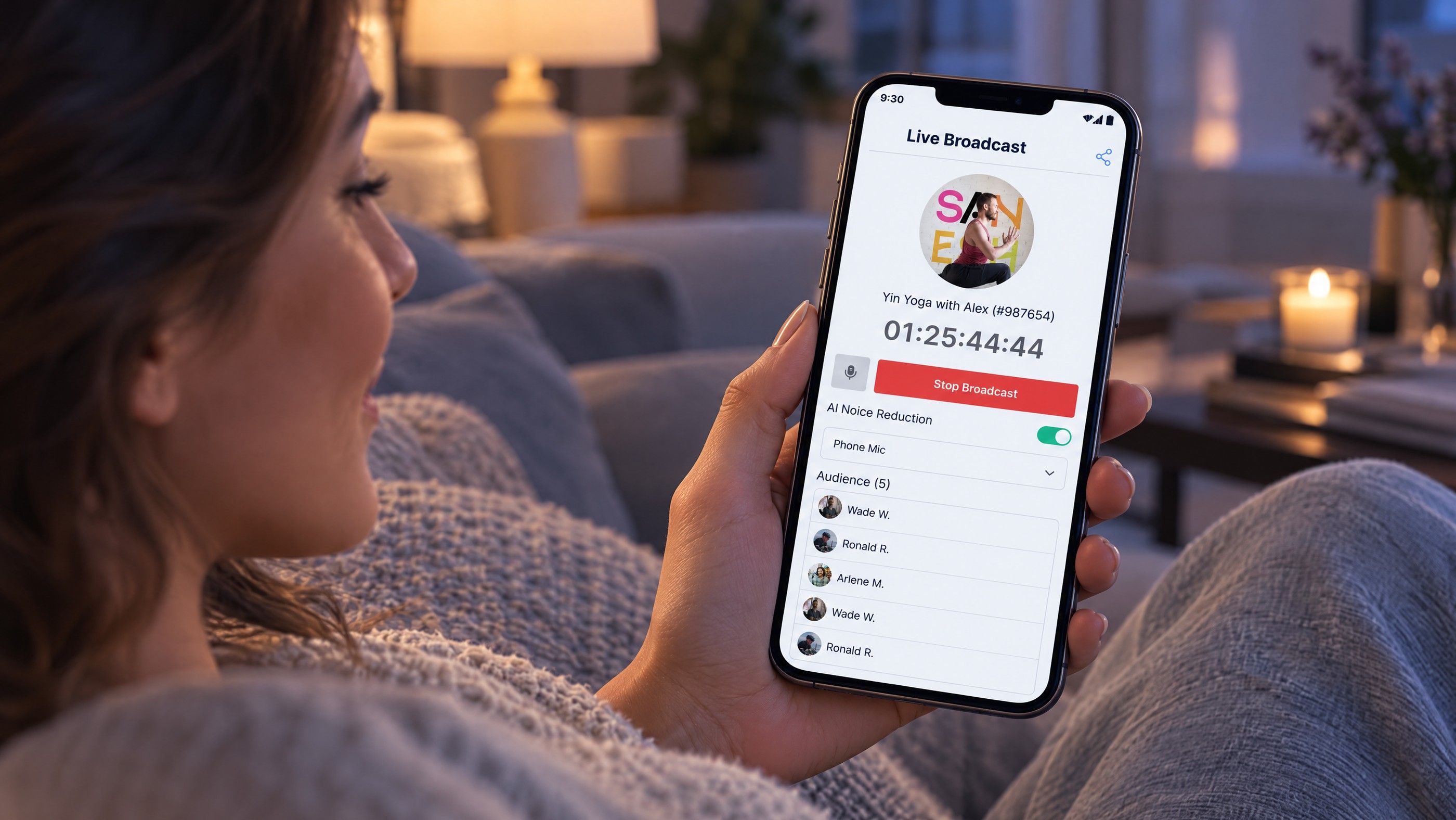
- Ourcast Live is an assistive listening product that streams a venue's audio to attendees' phones in real time, with native iOS and Android apps.
- Teachers Lunch is a food ordering platform with a customer app, a rider app, restaurant menus, payments and an admin that sees the whole day.
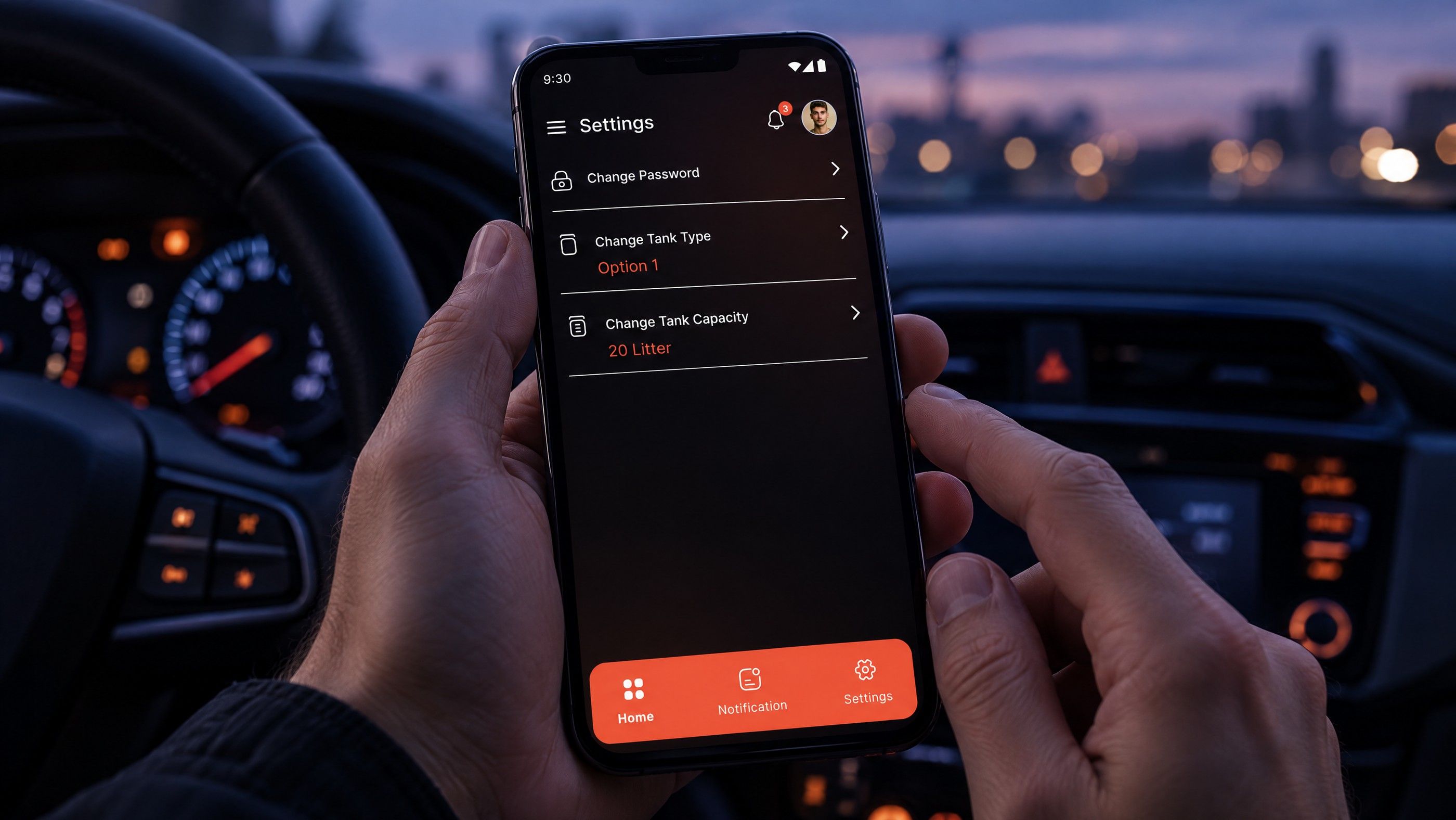
- Runvse is a tuning and calibration product for diesel trucks, made up of a mobile app, an API and the microcontroller firmware.
Each one needed far more than screens. Real time audio, multi role marketplaces and hardware connected apps all depend on a solid backend, which is why custom software and payment integration skills matter as much as mobile design.
Questions to ask on your first call
Ask every team on your shortlist the same questions and compare the answers side by side.
- Can you share three apps you built that are live in the stores today?
- Who will be on my team, where are they based, and can I meet the technical lead?
- Would you recommend native or cross platform for this app, and why?
- How many hours a day will your team overlap with Pacific Time?
- When will I get my first installable test build?
- Whose name will the code repository and store accounts be in?
- What is included after launch, and how do you handle new iOS and Android releases?
- How do you handle changes to the scope once work has started?
Pay attention to how people answer, not only what they say. A team that has done this many times answers quickly and specifically. A team that hesitates on ownership, testing or time zones has told you what you need to know.
Where Codeeo fits
Codeeo is a software company with a team of 80+ across Dubai, Riyadh and Karachi. We have delivered 200+ projects across the UAE and the US, and we are rated 4.7 from 23 Google reviews. Our mobile app development team builds native and cross platform apps for iOS and Android, along with the APIs and admin panels behind them.
If you already have a product and need more engineering capacity, our dedicated developers can join your team and work in your tools. If you are still at the idea stage, we can begin with discovery and design. Either way, you can install the apps in our case studies and judge the work for yourself before we ever talk.
Frequently asked questions
Start with evidence rather than marketing.
Ask each team for apps that are live in the App Store and Google Play, install them and use them for a few days. Then meet the technical lead, read the written scope line by line and confirm in the contract that your company will own the code, the store accounts and the hosting from the start.
App DevelopmentFood Delivery Apps in Dubai: A 2026 Guide for RestaurantsWho runs food delivery in Dubai in 2026, which apps left, and when a restaurant should build its own ordering app instead of relying on aggregators. App DevelopmentFlutter vs React Native in 2026: Which Should You Choose?Both frameworks rebuilt their internals. Here is how Flutter and React Native compare in 2026, and how to pick one for your app.
 App DevelopmentApp Store Rejection Reasons and How to Avoid ThemWhy Apple rejects apps, using its own 2024 and 2025 review data: crashes and demo logins, website wrappers, account deletion, payment rules and regulated UAE apps.
Tell us what the business needs. We will tell you what to build first.
Schedule a free consultation and get a written recommendation, with costs, before you commit to anything.
Get in touchPROVEN RESULTS
4.7 / 5verified reviews on Google