 App DevelopmentMobile App Development Cost in Saudi Arabia: What Drives the PriceWhat drives the cost of building a mobile app in Saudi Arabia: features, platforms, native vs Flutter, backend, integrations, Arabic and upkeep.
Designing Marketplaces Two Audiences Will Love: A Guide for Saudi Founders
How to design a two sided marketplace in Saudi Arabia: cold start, trust and verification, payments and payouts, Arabic UX and admin tools.
The marketplace development Saudi Arabia founders can rely on starts with supply, not software: secure enough quality sellers or providers in one city and one category, then design trust, payments and Arabic first experiences that make both sides want to come back. A marketplace works when buyers find what they need quickly and sellers earn reliably, and every design decision should serve one of those two outcomes. This guide walks Saudi founders through the cold start, verification, payouts, reviews and admin tools that decide whether a two sided marketplace grows or stalls.
What makes a two sided marketplace different
An online store has one customer: the buyer. A two sided marketplace has two, and they want different things. Buyers want choice, fair prices, speed and confidence. Sellers, providers or hosts want demand, predictable income, simple tools and fair treatment. If you design only for buyers, sellers leave. If you design only for sellers, buyers never arrive.
That tension shapes every screen. A search results page is a buyer tool, but its ranking rules decide which sellers earn money. A cancellation policy protects buyers, but if it is too harsh, good providers stop accepting bookings. The best marketplace teams treat each feature as a balance between the two audiences.
Common marketplace models in the Kingdom
- Product marketplaces where independent sellers list goods, often called a multi vendor marketplace.
- Service marketplaces for home services, maintenance, tutoring, beauty or events.
- Booking marketplaces for venues, rentals, chalets or equipment.
- Talent and recruitment platforms that match employers with candidates or independent professionals.
- B2B marketplaces connecting suppliers with contractors, retailers or restaurants.
Each model has different trust risks and payment flows, so pick one clearly before you design anything.
Solving the cold start problem
Every marketplace begins empty. Buyers will not visit without listings, and sellers will not list without buyers. The way out is to narrow the problem until it is small enough to solve by hand.
Start with supply
In most cases, supply is harder to win and easier to keep. Recruit a focused group of sellers or providers directly, through visits, calls and WhatsApp, and help them create excellent listings. A small catalogue of reliable, well presented supply beats a large catalogue of empty or poor profiles.
Constrain geography and category
Launch in one city, often Riyadh, Jeddah or Dammam, and in one category where you understand the customer. Saudi cities are large and spread out, so service marketplaces in particular benefit from launching in specific districts before expanding.
Do things that do not scale
Early on, the team may match orders manually, follow up with every buyer and fix listings themselves. That is fine. The software only needs to support what the team is actually doing, which keeps the first release small and focused.
Marketplace development Saudi Arabia customers trust: verification first
Trust is the product. Buyers are paying a stranger, and sellers are serving one. Verification and clear policies replace the trust that a familiar shop front would normally provide.
Seller and provider verification
Decide what each seller must prove before going live: a commercial registration or a self employment document, identity checks, bank details for payouts, and category specific requirements such as licences for regulated services. Store documents securely, record who approved each seller, and make reverification part of the admin workflow when documents expire.
Buyer verification
For high value bookings or rentals, phone number verification and saved payment methods reduce fraud and no shows. Keep friction low for browsing and add checks only at the point of commitment.
Clear policies written in plain Arabic
Cancellation, refund, dispute and conduct policies should be short, readable and written natively in Arabic, with English as the second language. Show the relevant policy at the moment it matters, for example on the checkout screen, rather than hiding it in the footer.
Because verification involves identity documents and personal data, the Personal Data Protection Law applies. SDAIA publishes guidance at sdaia.gov.sa, and you should confirm consent, retention and access rules with legal counsel before launch.
Payments, commissions and payouts
Money flow is where many marketplaces get stuck, because they must collect from buyers, hold funds, take a commission and pay sellers, all while keeping records that finance and auditors trust.
Collecting from buyers
Saudi buyers expect mada, Apple Pay and card payments, and many also use STC Pay. For consumer goods and services, buy now pay later options such as Tabby and Tamara can be important. Choose a gateway that supports these methods and offers marketplace features.
Split payments and payouts
Some payment providers can split a single payment between the platform and the seller, or hold funds until a service is completed. Others require the platform to collect everything and pay sellers on a schedule. Each approach has different licensing, accounting and tax implications, so discuss the model with your payment provider, accountant and counsel early. Our payment integration team helps compare options and design reconciliation.
Invoicing
Decide who issues the invoice for each transaction, the platform or the seller, and how commission invoices are produced. If your business is within scope of ZATCA e-invoicing, plan how invoices will be generated through a compliant solution. Confirm the details with your tax adviser.
| Payment question | Why it matters | Who to involve |
|---|---|---|
| Which methods will buyers use? | Missing mada or popular wallets loses orders | Product and marketing |
| Split at payment or pay out later? | Affects cash flow, licensing and refunds | Finance, payment provider, counsel |
| When are funds released? | Protects buyers and keeps sellers motivated | Operations and finance |
| Who issues the invoice? | Shapes tax and e-invoicing obligations | Tax adviser and finance |
| How are disputes handled? | Determines refund logic and support workload | Operations and support |
Reviews, ratings and reputation
Reviews help buyers choose and push sellers to improve. They also invite abuse if designed carelessly.
- Only allow reviews from verified transactions.
- Let both sides review each other where it makes sense, such as rentals and services.
- Collect structured ratings, for example punctuality and quality, alongside written comments.
- Give sellers a fair way to respond publicly and to report reviews that break the rules.
- Write moderation rules down and apply them consistently through the admin panel.
Ranking should consider more than star ratings. Response time, cancellation history and completion rate are often better predictors of a good experience.
Arabic first UX for both audiences
A marketplace in the Kingdom should be designed in Arabic and right to left from day one. That affects more than text direction.
Buyer experience
Search must handle Arabic spelling variations, mixed Arabic and English product names, and dialect terms. Filters should match how Saudi customers actually think about the category, such as district, family friendly options or prayer time availability for services. Prices, dates and phone numbers need consistent formatting in both languages.
Seller experience
Sellers often manage their business from a phone between jobs. Listing creation, order acceptance and payout tracking should be fast on mobile, with WhatsApp or push notifications for new orders. This is where good UX design earns its keep: a seller who can respond in seconds wins more work and stays on the platform.
Web, app or both
Many marketplaces launch with a responsive web platform for buyers and a lighter seller app, or the reverse. The right answer depends on how often each side uses the product. Our marketplace website development and marketplace app development services cover both routes.
Admin tools: the side nobody sees
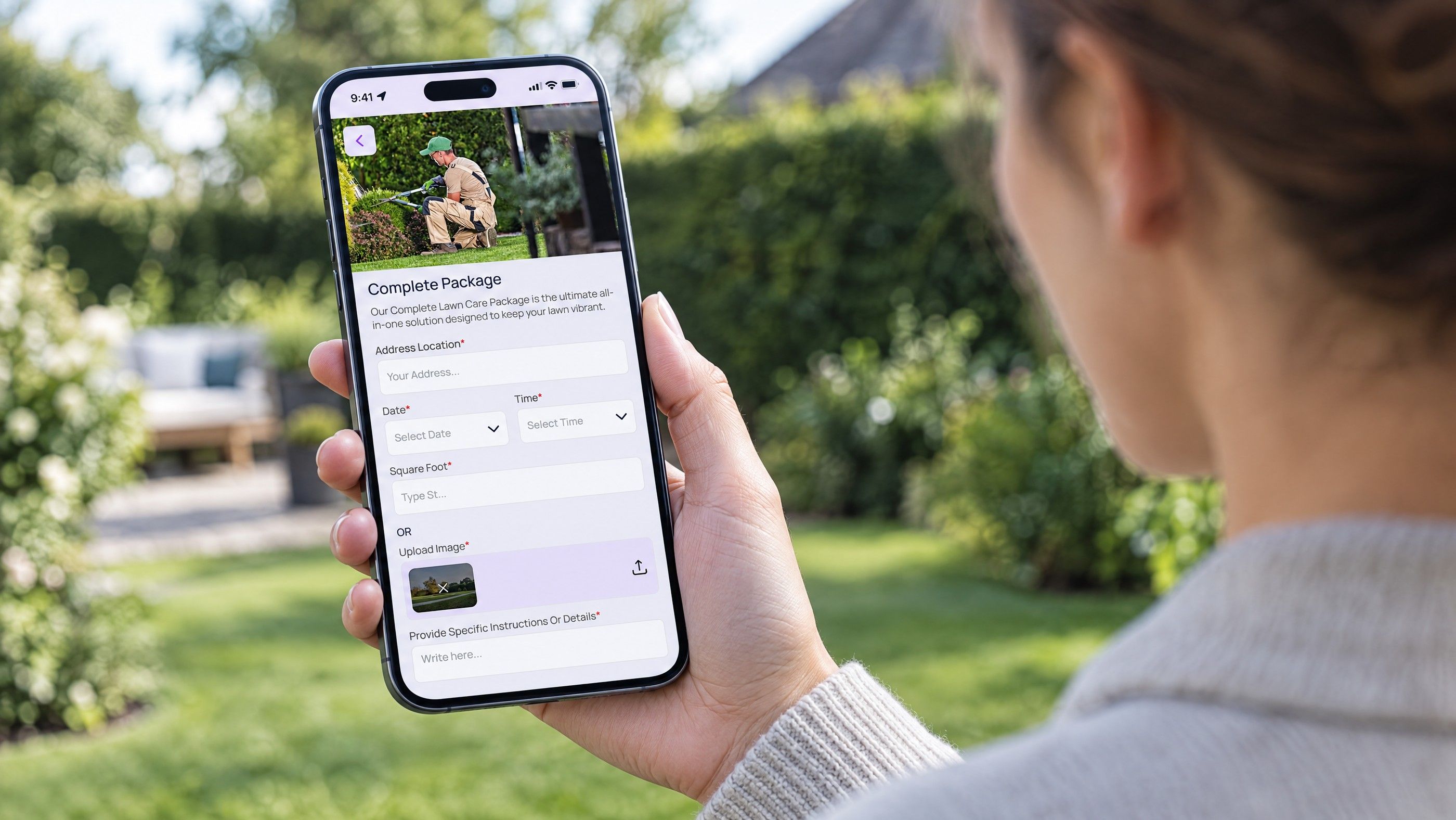
Much of the real effort in marketplace development Saudi Arabia teams face sits in operations rather than the storefront. Founders often underinvest in the admin panel, then spend months running the business from spreadsheets. Strong internal tools are a large part of marketplace website development, and they decide how much the team can grow without hiring.
- Seller onboarding queue with document review, approval, rejection reasons and expiry reminders.
- Order and booking management with the ability to reassign, cancel or refund with a clear audit trail.
- Dispute handling that gathers messages, evidence and payment status in one view.
- Payout controls showing what is owed, held and paid to each seller.
- Content and category management in both languages.
- Reports on supply, demand, conversion and repeat usage by city and category.
- Roles and permissions so support staff, finance and managers see only what they need.
A step by step launch plan
- Choose one model, one category and one city.
- Interview sellers and buyers to understand what each side fears and values.
- Recruit and onboard a starting group of quality supply by hand.
- Design the core flows in Arabic first: search, listing, checkout, order management and payout.
- Agree the payment and invoicing model with your provider, accountant and counsel.
- Build the minimum admin tools needed to run operations without spreadsheets.
- Launch to a limited audience, watch every transaction and fix friction weekly.
- Add reviews, ranking improvements and new categories once the first loop works.
Mistakes Saudi marketplace founders can avoid
Building every feature before launch
Chat, loyalty points, referral schemes and advanced analytics can wait. The first release needs to complete transactions reliably and help the team learn.
Copying a foreign marketplace exactly
Global templates rarely fit local payment habits, Arabic search, family oriented service expectations or how sellers prefer to communicate. Adapt the model to the market.
Ignoring seller economics
If commissions and payout timing leave sellers worse off than their existing channels, they will route customers away from the platform. Model seller earnings carefully before setting the commission structure.
If your marketplace is part of a wider shift from a simple website to a full product, our guide on moving from a website to a platform covers scoping and phasing.
How Codeeo helps Saudi founders with marketplace development
Codeeo designs and builds marketplaces, recruitment platforms, booking systems and the apps that sit around them. We have delivered more than 200 projects across the UAE and the US, and our team of 80+ works across Dubai, Riyadh and Karachi. Clients rate us 4.7 from 23 Google reviews, and you can see examples of our work in our case studies.
Founders in Riyadh can meet the team in person at our office to work through supply strategy, user flows and payment models. Founders in Jeddah, Dammam and other cities work with us through video calls. We help you choose the right model, design Arabic first experiences for both audiences, and build the admin tools that let a small team run a growing marketplace.
If you are planning a marketplace for the Saudi market, contact Codeeo to discuss your idea.
Frequently asked questions
Most marketplaces should focus on supply first.
Sellers or providers are usually harder to recruit, and a small group of reliable, well presented listings gives early buyers a good experience. Recruit supply directly in one city and one category, help each seller build a strong profile, and then bring buyers in once there is enough choice.
App DevelopmentMobile App Development Cost in Saudi Arabia: What Drives the PriceWhat drives the cost of building a mobile app in Saudi Arabia: features, platforms, native vs Flutter, backend, integrations, Arabic and upkeep. App DevelopmentNative vs Cross Platform App Development: Which Fits Your Saudi BusinessNative or Flutter and React Native? How Saudi businesses choose: performance, cost drivers, speed to market, Arabic RTL support and upkeep.
 App DevelopmentFood Delivery Apps in Dubai: A 2026 Guide for RestaurantsWho runs food delivery in Dubai in 2026, which apps left, and when a restaurant should build its own ordering app instead of relying on aggregators.
Tell us what the business needs. We will tell you what to build first.
Schedule a free consultation and get a written recommendation, with costs, before you commit to anything.
Get in touchPROVEN RESULTS
4.7 / 5verified reviews on Google