 App DevelopmentCross Platform App Development: How It Saves Time and MoneyHow shared code across iOS and Android cuts build and maintenance effort, which frameworks to consider in 2026, and when native development is still the better call.
How Mobile Development Is Shaping the Future of Business
How mobile development is changing retail, banking, healthcare and education, the opportunities and challenges it brings, and the trends to watch next.
Mobile development is shaping the future by moving everyday tasks such as shopping, banking, learning and seeing a doctor onto the phone, and by changing what customers expect from every business. Apps now set the standard for speed and convenience, and new layers such as on device AI, wearables and faster networks keep widening what an app can do. For businesses, the question is less whether to be on mobile and more which tasks deserve a dedicated app.
This article looks at how mobile apps are changing key industries, the opportunities and problems that come with them, and the trends worth watching.
Why mobile became the default
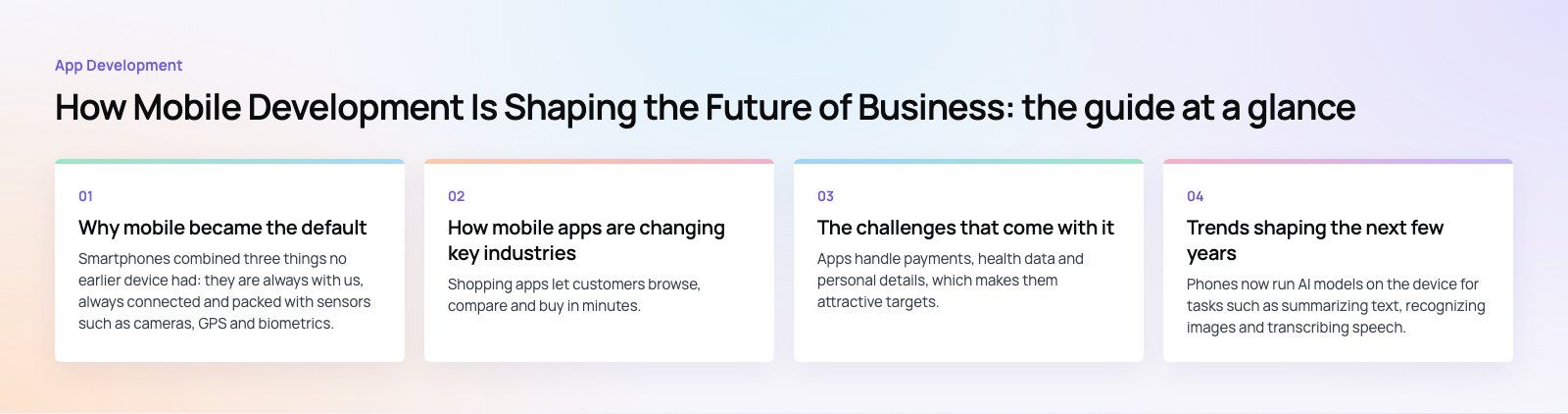
Smartphones combined three things no earlier device had: they are always with us, always connected and packed with sensors such as cameras, GPS and biometrics. Apps turned those capabilities into services. Ordering a taxi, paying a bill or booking a class became a two tap job.
That convenience reset expectations. Customers now judge a bank by its app, a retailer by its checkout and a clinic by how easily they can book. A slow or confusing mobile experience is no longer a minor annoyance; it is often the reason someone chooses a competitor.
How mobile apps are changing key industries
| Industry | What apps changed | What users now expect |
|---|---|---|
| Retail and ecommerce | Browsing, buying and tracking orders from anywhere | Fast checkout, saved details, order tracking, personal offers |
| Banking and finance | Payments, transfers and account management without a branch | Instant notifications, digital wallets, biometric sign in |
| Healthcare | Remote consultations, bookings and health tracking | Online appointments, access to records, reminders |
| Education | Learning materials and classes available on any device | Course apps, progress tracking, parent and teacher messaging |
| Entertainment and media | Streaming, gaming and on demand content | Personal recommendations, offline downloads, smooth playback |
| Travel and hospitality | Booking, check in and digital tickets | Mobile boarding passes, live updates, easy changes |
Retail and ecommerce
Shopping apps let customers browse, compare and buy in minutes. Saved payment details and addresses shorten checkout, push notifications bring people back for restocks and offers, and order tracking removes the "where is my parcel" call. Loyalty programs that live in the app often replace plastic cards entirely. Our page on retail and ecommerce covers what these projects usually involve.
Banking and finance
Mobile banking moved routine tasks such as paying bills, moving money and checking balances out of the branch. Digital wallets made paying with a phone or watch normal in many markets. Newer finance apps add features such as spending insights, savings goals and instant account opening. Security and regulation shape almost every decision in this sector, as we describe on our fintech page.
Healthcare
Apps let patients book appointments, speak to a doctor by video, see results and receive medication reminders. Wearables feed heart rate, sleep and activity data into health apps. Behind the scenes, apps also help clinics and care providers manage staff, shifts and records. See our healthcare page for the kinds of systems involved.
Education
Learning apps put lessons, quizzes and videos in a student's pocket. Schools use apps to share homework, collect payments and keep parents informed. The shift to remote learning in recent years made these tools part of normal school life rather than an extra. Our education page covers what school and learning platforms usually need.
Entertainment and social media
Streaming, gaming and social platforms are designed for the phone first. Short video, live streams and in app messaging grew because the camera and the screen are always at hand. For businesses, this means marketing content is now created and consumed mostly on mobile.
Travel, transport and services
Ride hailing, food delivery and home services all exist because apps can match a request to a nearby provider in real time, using location and live payments. Airlines and hotels use apps for check in, digital keys and updates that used to need a desk.
The opportunities mobile creates
- A direct channel. An installed app gives you a place on the customer's home screen and the ability to send notifications they opted into.
- Better data. With consent, apps show how people actually use your service, which helps you improve it.
- New services. Device features such as camera, location and biometrics make possible things a website cannot do as well, from scanning documents to tap to pay.
- Loyalty and repeat use. Saved preferences and rewards make it easier for customers to come back than to switch.
- Growing markets. In many regions, people go online mainly or only through a phone, so mobile is the main route to them.
The challenges that come with it
Security and privacy
Apps handle payments, health data and personal details, which makes them attractive targets. Weak data storage, insecure network calls and poor authentication are common problems. The OWASP Mobile Top 10 lists the most frequent mobile security risks and is a good checklist for any team. Privacy rules and app store requirements also now expect clear disclosure of what data an app collects.
Device and platform variety
An app must work across many screen sizes, operating system versions and hardware levels. Testing on a few flagship phones is not enough. Cross platform frameworks such as Flutter and React Native help by sharing one codebase, but real device testing remains essential.
Rapid change
Apple and Google update their platforms every year, and app store policies change regularly. An app needs ongoing maintenance, not just a launch. Budgeting only for the first version is one of the most common mistakes we see.
Standing out
App stores are crowded, and people use a small number of apps every day. An app has to earn its place by doing something genuinely useful, quickly, every time.
Trends shaping the next few years
AI inside the app
Phones now run AI models on the device for tasks such as summarizing text, recognizing images and transcribing speech. Apps can use this for smarter search, personal recommendations and assistants, often without sending private data to a server.
Wearables and connected devices
Watches, rings, earbuds and smart home devices extend apps beyond the phone. The phone often acts as the hub that collects data from these devices and turns it into something useful.
Faster networks
5G and better Wi-Fi reduce delays, which helps live video, cloud gaming and real time collaboration. Developers still need to design for weak connections, because coverage is uneven.
Augmented reality
AR lets shoppers place furniture in a room, try on glasses or follow directions overlaid on the street. It works best when it answers a real question rather than serving as a novelty.
Super apps and mini apps
In some markets, single apps combine messaging, payments, rides and shopping, with smaller services running inside them. Businesses increasingly ask whether to build their own app or appear inside a larger platform.
What this means for your business
Not every business needs an app. A fast mobile website handles many needs. An app makes sense when customers will use it often, when it relies on device features, or when it saves your team real work. Before committing, list the top tasks customers do with you, check which ones are frequent and mobile, and design the first version around those alone.
Mobile is now where most customers meet most businesses, and that will only deepen. If you are deciding whether an app is right for you, our mobile app development team can help you plan it, and a product scoping session is a practical first step. You can see the kinds of apps we have delivered in our case studies, including the Edsidera school platform.
Frequently asked questions
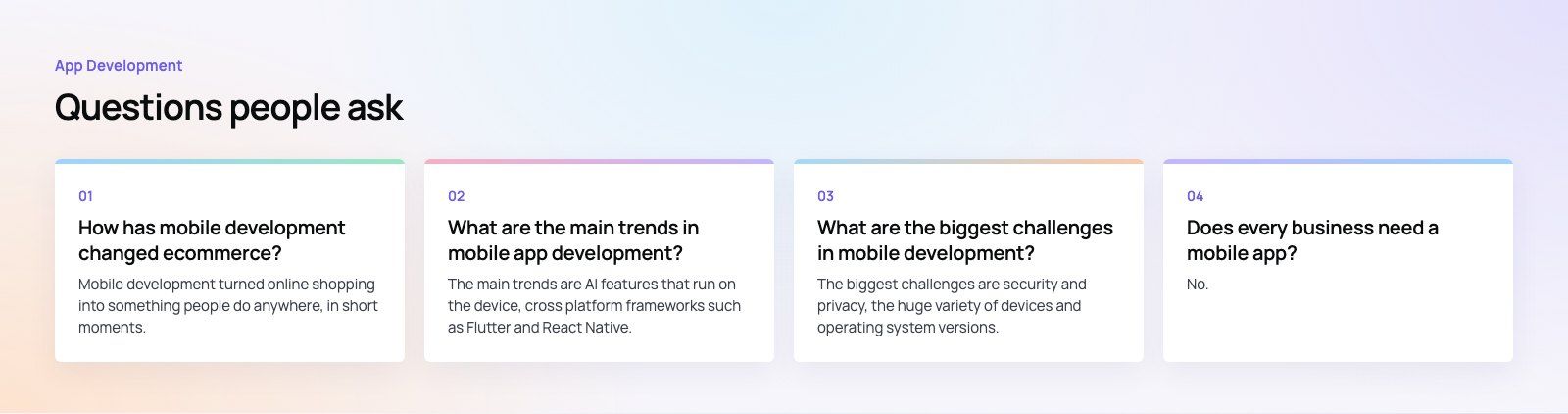
Mobile development turned online shopping into something people do anywhere, in short moments.
Apps and mobile sites let customers browse, compare, pay with saved details or a wallet and track delivery from their phone. This raised expectations for fast checkout and personal offers. Retailers now design for the phone first, then adapt the experience to larger screens rather than the other way around.
App DevelopmentCross Platform App Development: How It Saves Time and MoneyHow shared code across iOS and Android cuts build and maintenance effort, which frameworks to consider in 2026, and when native development is still the better call. App DevelopmentHow to Plan an App Development Project From Start to FinishA step by step plan for an app project: define users and goals, scope an MVP, choose platforms, design, build the team, phase the timeline, test and launch.
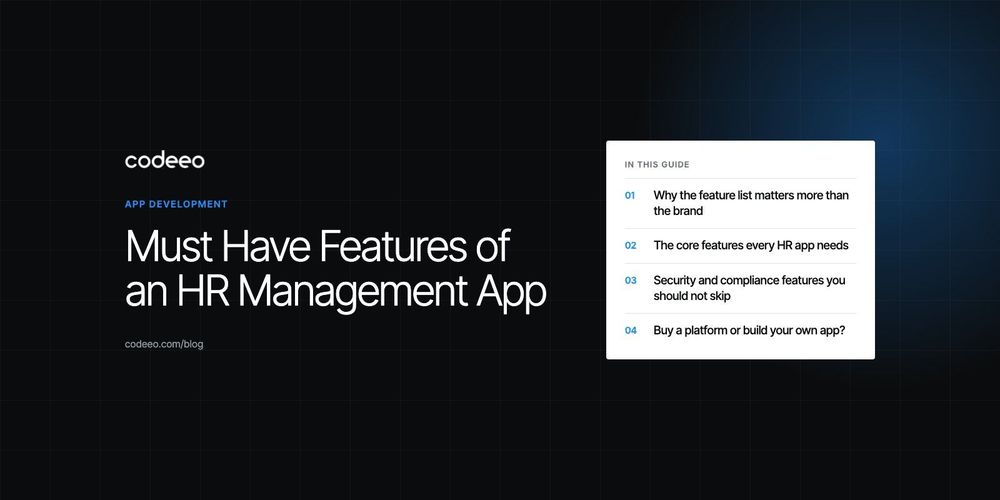 App DevelopmentMust Have Features of an HR Management AppThe features an HR management app needs, from onboarding and self service to payroll, performance and analytics, plus when to buy or build.
Tell us what the business needs. We will tell you what to build first.
Schedule a free consultation and get a written recommendation, with costs, before you commit to anything.
Get in touchPROVEN RESULTS
4.7 / 5verified reviews on Google