 AIAI Chatbots for Lead Generation in Saudi Arabia: Turning Website Visitors into SalesHow Saudi businesses use AI chatbots on websites and WhatsApp to answer in Arabic and English, qualify leads and hand off to sales in the CRM.
Agentic AI in Saudi Arabia: How AI Agents Are Changing Business Operations
What agentic AI means for Saudi businesses: AI agents vs chatbots, workflows they handle, Arabic support, guardrails, PDPL and how to start.
Agentic AI in Saudi Arabia is moving AI from answering questions to doing work: AI agents can read an incoming request, look up records, fill in forms, update a CRM and hand off to a person for approval, in Arabic or English. For Saudi businesses, the practical gains come from narrow, well governed workflows such as intake, document processing and scheduling, not from replacing teams. This guide explains what agents are, where they fit, and how to start safely.
What AI agents are, and how they differ from chatbots
A chatbot answers. An agent acts. A traditional chatbot follows a script or retrieves an answer from a knowledge base, then waits for the next message. AI agents are given a goal, a set of tools and rules, and they decide which steps to take to reach that goal. A tool might be a CRM lookup, a calendar, an email inbox, a document store or an internal API.
In practice, the difference looks like this. A chatbot on a clinic website can tell a patient the opening hours. An agent can check the doctor's calendar, offer three slots, book the chosen one, send a confirmation on WhatsApp and create the patient record, asking a staff member to approve anything unusual.
| Aspect | Chatbot | AI agent |
|---|---|---|
| Main purpose | Answer questions | Complete tasks toward a goal |
| Access to systems | Usually read only, often none | Reads and writes through approved tools |
| Steps per request | One reply at a time | Several steps, planned and checked |
| Human involvement | Handover when stuck | Approval points built into the workflow |
| Main risk | Wrong answer | Wrong action, so permissions and logging matter more |
If the immediate need is answering website visitors and capturing leads, a chatbot may be enough; our guide to AI chatbots for lead generation covers that route.
Why agentic AI in Saudi Arabia matters now
Vision 2030 has placed digital transformation and data at the centre of national plans, and many Saudi organisations are already investing in automation, cloud and analytics. Agents build on that work. The businesses best placed to use them are those whose processes already run through software, because an agent can only act through systems it can reach.
There are also local reasons. Many Saudi companies handle high volumes of WhatsApp messages, bilingual documents and government related paperwork. Staff spend hours copying details between systems, chasing missing documents and scheduling appointments. These repetitive, rules based tasks are where AI automation in Saudi Arabia gives back time without touching decisions that should stay with people.
Workflows AI agents handle well
The best first workflows are frequent, repetitive, rules based and easy to check. Here are common examples across Saudi sectors.
Intake and qualification
An agent can receive enquiries from the website, email and WhatsApp, ask the missing questions, check whether the request fits the service, and create a qualified record in the CRM with the right owner. Sales teams then start conversations with the details they need instead of chasing basics.
Document processing
Invoices, purchase orders, CVs, contracts and application forms arrive as PDFs and photos in Arabic and English. An agent can extract the key fields, compare them with existing records, flag mismatches and route the document for approval. For invoices, this can sit alongside existing finance systems that handle ZATCA e-invoicing requirements, rather than replacing them.
Scheduling and reminders
Clinics, service companies, recruiters and consultancies all lose time arranging meetings. An agent can check calendars, offer slots, book, reschedule and send reminders, escalating only when a request falls outside the rules.
CRM and data updates
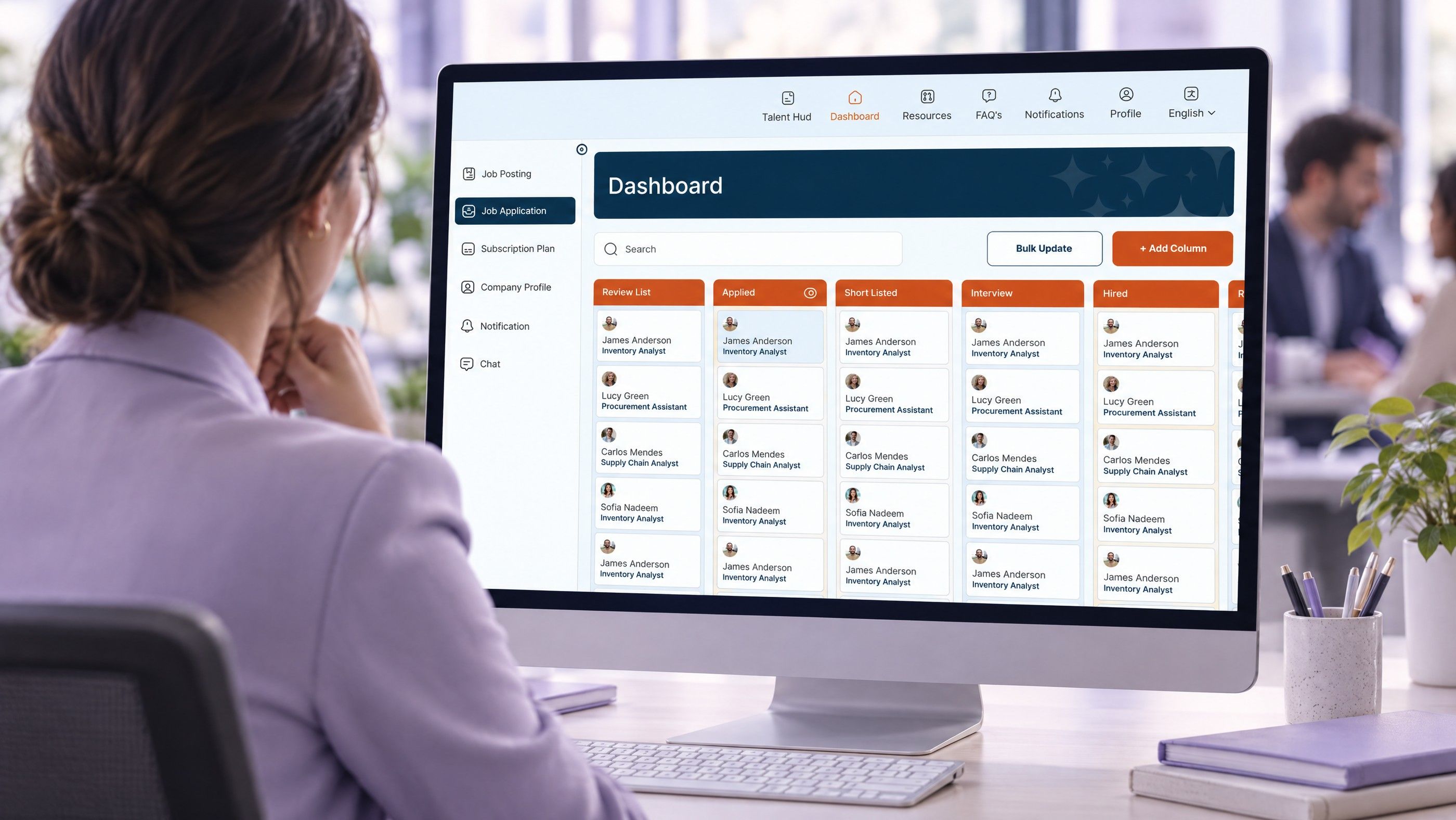
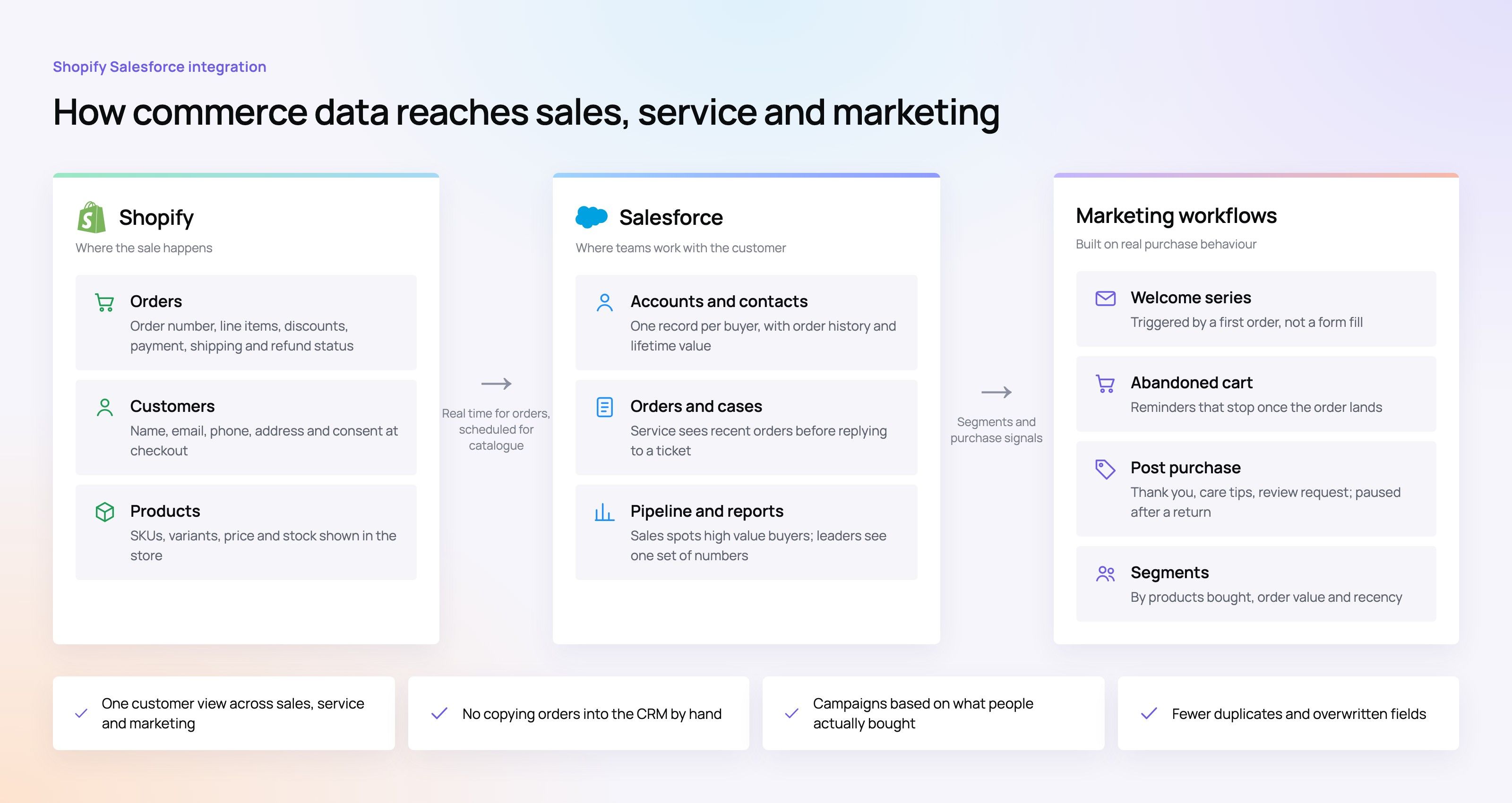
After calls and meetings, CRM records are often incomplete. An agent can summarise notes, update fields, create follow up tasks and alert managers when deals stall. It can also keep store, booking and CRM data in step so sales teams see the full picture.
Internal knowledge and support
An internal agent can answer staff questions about policies, products and procedures from approved documents, then take simple actions such as raising an IT ticket or requesting leave through the HR system. Keeping this inside a private environment matters for sensitive information; see our article on private enterprise AI platforms in Saudi Arabia.
Arabic and English: getting language right
Agents for Saudi businesses must work properly in Arabic, including Saudi dialect in WhatsApp messages, formal Arabic in documents, and mixed Arabic and English in the same sentence. Names, addresses and dates may appear in both scripts and in Hijri and Gregorian formats. Before choosing a model or platform, test it with real samples from your own inbox and documents, not polished examples. Pay attention to how it handles numbers, right to left text inside forms, and replies that must match the customer's language and tone.
Guardrails and human approval
Because agents take actions, the main design question is not what the agent can do but what it is allowed to do on its own.
- Least privilege: give each agent only the tools and data it needs for its workflow.
- Approval points: require a person to approve payments, refunds, contract changes, external emails above a threshold, and anything unusual.
- Clear limits: define what the agent must never do, such as deleting records or changing prices.
- Logging: record every action, the data used and the reasoning summary so actions can be reviewed.
- Fallbacks: when confidence is low or a system fails, the agent should stop and hand over, not guess.
- Testing: run new workflows against a set of real past cases before going live, and repeat after any change.
PDPL, security and governance
Agents often touch personal data, so governance has to be planned from the start. The Personal Data Protection Law, overseen by SDAIA, sets expectations around purpose, consent, minimisation, retention and cross border transfer of personal data. In practice, this means knowing where the model runs, where prompts and documents are stored, which third parties process the data, and how long logs are kept. Many enterprises prefer models hosted in environments they control, or providers with in Kingdom options, for sensitive workflows.
Security teams will also want agents covered by existing controls: access management, monitoring, incident response and vendor review, with NCA cybersecurity controls in mind for organisations they apply to. Treat this as a general outline and confirm specific obligations with counsel or the relevant regulator.
Enterprise AI in Saudi Arabia: build, buy or combine
For enterprise AI in Saudi Arabia, three broad routes exist. Off the shelf tools with agent features suit common tasks inside a single product. Custom agents built on established models suit workflows that cross several internal systems or need Arabic handling tuned to your data. Many organisations combine both, using packaged tools where they fit and custom agents for the processes that set them apart. The deciding factors are usually data sensitivity, how many systems are involved, and whether the workflow is a competitive advantage. Agents depend on clean, reliable integrations, so our guide to API integration for Saudi business websites is useful background.
How to start small with AI agents
- List repetitive tasks that consume staff time and run through software already.
- Pick one workflow that is frequent, low risk and easy to check.
- Map the current steps, systems, data and decision points in detail.
- Decide where human approval is required and what the agent must never do.
- Collect real Arabic and English examples to test against.
- Build a pilot with limited permissions and full logging.
- Run it alongside the current process and compare outcomes.
- Review privacy, security and retention with legal and IT before widening access.
- Expand to the next workflow only once the first one is stable and trusted.
Measuring whether it works
Agree measures before the pilot starts: time spent per task, response time to customers, error rates, how often humans override the agent, and staff feedback. Avoid measuring only volume, because an agent that does more tasks badly creates work rather than saving it.
Common mistakes in early agent projects
Most early projects of agentic AI in Saudi Arabia run into the same few problems. Teams pick a workflow that is too broad, such as "handle all customer service", instead of one clearly bounded task. They connect the agent to systems with messy or duplicated data and then blame the model for poor results. They skip the Arabic testing stage and discover dialect and formatting issues only after launch. Or they give the agent wide permissions to save time during the pilot and never narrow them again. Each of these is avoidable with a written scope, clean integrations, real test samples and a permission review before go live.
How Codeeo helps Saudi businesses with AI agents
Codeeo has delivered more than 200 projects across the UAE and the US, with a team of 80+ across Dubai, Riyadh and Karachi. For AI agent development in Riyadh and across the Kingdom, the team combines AI agent development, AI integration with existing systems, and AI automation of business workflows, alongside the CRM and web work agents depend on. Larger programmes are covered by the enterprise AI service.
Codeeo has an office in Riyadh, so clients in the city can meet the team in person to map workflows and approval points. Organisations elsewhere in Saudi Arabia work with the team through video calls. Codeeo is rated 4.7 from 23 Google reviews.
To explore which workflow suits a first agent pilot, talk to the Codeeo team.
Frequently asked questions
Agentic AI describes AI systems that pursue a goal by planning and taking steps, using tools such as databases, calendars, CRMs and APIs.
Unlike a chatbot that only replies, an agent can read information, decide what to do next, take an action and check the result. Well designed agents work within strict permissions and hand over to people for approvals.
AIAI Chatbots for Lead Generation in Saudi Arabia: Turning Website Visitors into SalesHow Saudi businesses use AI chatbots on websites and WhatsApp to answer in Arabic and English, qualify leads and hand off to sales in the CRM. AIPrivate Enterprise AI in Saudi Arabia: What a Private AI Platform Actually Looks LikeWhy Saudi organisations are moving company data away from public AI tools, and what a private AI platform with your own models, integrations and controls really involves.
 AIAI in Web Development: What Works in 2026How AI in web development really works in 2026: coding tools, AI features for users, prompt-to-app builders, survey data, and the risks to plan for.
Tell us what the business needs. We will tell you what to build first.
Schedule a free consultation and get a written recommendation, with costs, before you commit to anything.
Get in touchPROVEN RESULTS
4.7 / 5verified reviews on Google