 Software DevelopmentDedicated Software Development Team: How It Works in 2026What a dedicated software development team is, who is on it, how it compares with in-house hiring, and how to choose a provider in 2026.
CodeeoInsightsSoftware Development
API Integration for Saudi Business Websites: ERP, CRM and Payment Gateways
How Saudi websites connect to ERP, CRM, payment gateways like mada and Tabby, ZATCA e-invoicing, logistics and WhatsApp through APIs.
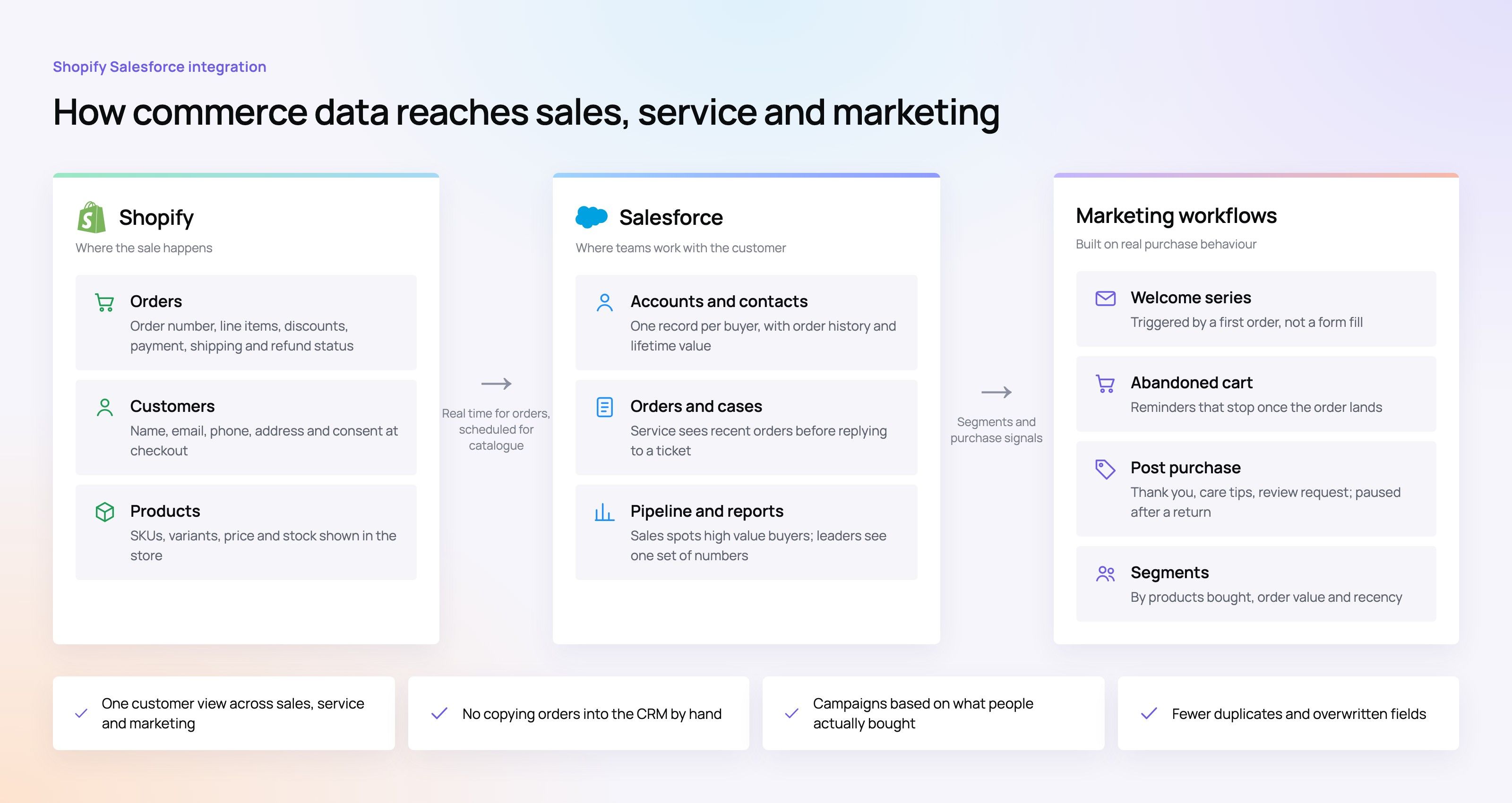
API integration in Saudi Arabia means connecting your website to the systems that run the business, such as your ERP, CRM, payment gateways, ZATCA e-invoicing tools, couriers and WhatsApp, so that orders, leads and invoices move between them without manual re entry. Done well, a customer action on the website updates stock, finance and sales records automatically, and your team stops copying data between screens.
This guide is written for operations leads, finance managers and CIOs who need to understand what each integration involves, which patterns hold up in production, and what to ask a development partner before work begins.
Why API integration in Saudi Arabia starts with the website
Most Saudi companies run several systems that grew separately: an accounting or ERP package, a CRM for the sales team, one or more payment providers, a courier account and a WhatsApp Business number. The website often sits outside all of them, sending emails that someone then types into another tool.
That approach breaks down as volume grows. Orders are missed, stock figures drift, invoices are issued late and leads go cold while they wait in an inbox. A proper website integration layer closes those gaps and gives management a single, trustworthy view of what is happening.
Typical symptoms that integration is overdue
- Staff export orders from the store every morning and import them into the ERP by hand.
- The website shows items as available that the warehouse has already sold.
- Sales cannot see which marketing page a lead came from.
- Refunds are processed in the payment portal but not reflected in accounting.
- Customers ask on WhatsApp for order updates that the website already knows.
The core integration patterns
Before looking at individual systems, it helps to understand the few patterns almost every integration uses. Choosing the right one for each data flow matters more than the choice of tools.
| Pattern | How it works | Best for | Watch points |
|---|---|---|---|
| Real time API call | The website calls another system and waits for an answer | Payment authorisation, live stock checks, shipping rates | The website slows or fails if the other system is down |
| Webhook | The other system notifies your website when something changes | Payment confirmations, shipment status updates | Messages can arrive twice or out of order, so handlers must be safe to repeat |
| Queue and worker | Events are placed in a queue and processed in the background | Pushing orders to ERP, syncing leads to CRM | Needs monitoring so failed jobs are noticed and retried |
| Scheduled sync | A job runs at set intervals and copies changes in bulk | Product catalogues, price lists, nightly reconciliations | Data is only as fresh as the last run |
| Middleware or iPaaS | A dedicated integration platform sits between systems | Many systems, complex mapping, non technical rule changes | Another platform to license, secure and maintain |
Why queues usually beat direct calls
A common early mistake is to push every order directly into the ERP at the moment of checkout. If the ERP is slow or offline for maintenance, the customer sees an error and the sale is lost. Placing the order in a queue first lets the website confirm the purchase immediately while a background worker delivers it to the ERP, retrying until it succeeds. Reserve real time calls for the few steps that genuinely need an instant answer, such as authorising a card payment.
ERP integration
ERP integration is usually the most valuable and the most complex part of the work, because the ERP is the system of record for products, stock, customers and finance. Saudi companies run a wide range of ERPs, from large enterprise suites to Odoo and regional accounting packages, and each exposes data differently.
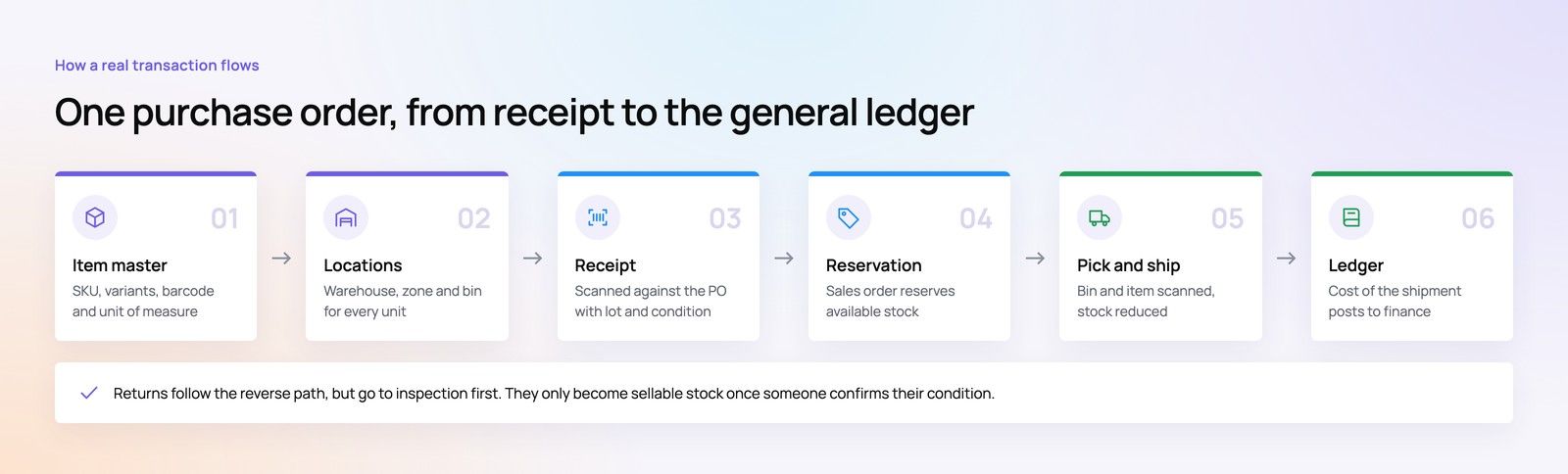
What usually flows between website and ERP
- From ERP to website: products, variants, prices, stock levels, customer specific price lists for B2B buyers.
- From website to ERP: orders, customer records, payment references, returns requests.
- Back again: fulfilment status, tracking numbers, invoice references.
Data mapping is where projects succeed or fail
Every system names and structures data differently. The website might store a customer as one name field; the ERP might want separate first and last names in both Arabic and English. Product variants on the website may be separate stock items in the ERP. Tax may be calculated per line in one system and per invoice in the other. A written mapping document, agreed with finance and operations before development starts, avoids weeks of rework later.
Questions to answer for ERP integration
- Which system is the master for each data type: products, prices, stock, customers?
- Does the ERP offer a documented API, or will a connector or database bridge be needed?
- How should orders that fail validation in the ERP be handled and who fixes them?
- How often must stock refresh to avoid overselling during busy periods such as Ramadan and White Friday?
- Who owns the integration when the ERP is upgraded?
CRM integration
CRM integration turns the website into a reliable lead source rather than an inbox. Every form, chat and booking should create or update a record in the CRM with enough context for sales to act quickly.
What a good CRM integration captures
- Contact details, with consent recorded at the point of collection.
- Source information: the landing page, campaign parameters and referrer.
- The specific service or product the person asked about.
- Preferred language, so Arabic speakers are routed to Arabic speaking staff.
- For ecommerce, order history and lifetime value so sales and support see the full picture.
Deduplication and ownership
Without rules, the same person submitting two forms becomes two leads assigned to two salespeople. Define how duplicates are matched, usually by mobile number and email, and which fields the website is allowed to overwrite. Saudi mobile numbers should be normalised to a single international format before matching, since visitors type them in several ways. If your current CRM no longer fits how your team sells, custom CRM development may be worth considering alongside the integration.
Payment gateway integration in Saudi Arabia
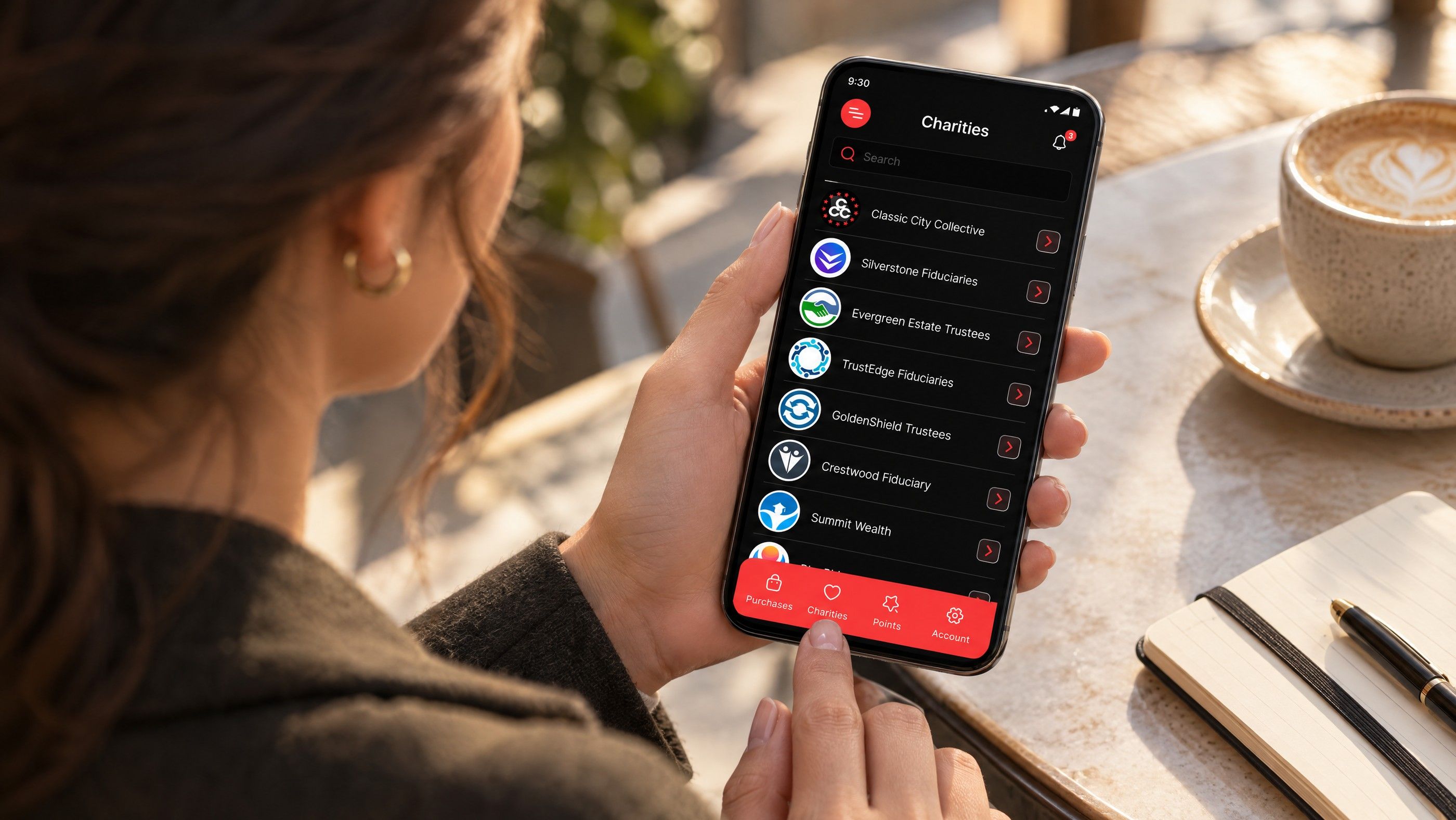
Payment gateway integration in Saudi Arabia has its own expectations. Saudi shoppers expect to pay with mada debit cards, Apple Pay and international cards, and many also expect buy now, pay later options such as Tabby and Tamara. STC Pay is widely used as a wallet. Your gateway choice determines which of these you can offer and how they are presented at checkout.
Payment integration essentials
- Hosted or embedded fields so card data goes straight to the gateway and never touches your servers, which keeps your compliance scope smaller.
- Webhooks for final status. Never mark an order paid based only on the customer returning to a success page; confirm with the gateway's server notification.
- Idempotent order handling so a repeated notification does not create a second order or a second shipment.
- Refunds and partial refunds that update the order, the ERP and the customer's notification in one flow.
- Clear Arabic error messages when a card is declined, with an easy way to try another method.
Buy now, pay later specifics
Tabby and Tamara each have their own checkout flows, eligibility checks and settlement reports. They also expect promotional messaging on product pages to follow their guidelines. Plan for reconciliation, because settlements from these providers arrive separately from card payments and must be matched to orders in finance. Our payment integration team handles these flows as part of wider store builds.
ZATCA e-invoicing integration
ZATCA's e-invoicing programme, known as Fatoora, requires businesses within scope to generate electronic invoices in a specified format and, in the integration phase, to connect their invoicing systems to ZATCA's platform. Businesses are brought into the integration phase in waves, so timing depends on your own notification. Details and technical guidelines are published at zatca.gov.sa.
Where the website fits
In most setups the website does not issue tax invoices itself. Instead it passes order data to the ERP or invoicing system, which generates the compliant invoice and handles submission. The website then shows or emails the resulting invoice to the customer. This keeps compliance logic in one place.
The integration work is therefore about data quality: the website must send everything the invoicing system needs, including correct buyer details for B2B sales, tax treatment per line and accurate totals. Gaps here surface later as rejected invoices. Requirements change over time, so confirm current obligations with your tax adviser or ZATCA directly.
Logistics and WhatsApp integrations
Couriers and fulfilment
Connecting to courier APIs lets the website show delivery options and rates at checkout, create shipments automatically when an order is ready, print labels and push tracking numbers back to the customer. For businesses using several couriers, an aggregator API can simplify this, though it adds another dependency. Address quality is the main challenge: Saudi national addresses, district names in Arabic and English, and map pins all help couriers find the customer first time.
WhatsApp as a sales and service channel
WhatsApp is a primary communication channel for many Saudi customers. Through the WhatsApp Business Platform you can send order confirmations, shipping updates and appointment reminders using approved templates, and route incoming messages to sales or support. Integration with the CRM ensures every conversation is attached to the right contact. Customers must opt in to receive messages, and templates need approval, so build these steps into the plan. For more advanced handling, an AI automation layer can answer routine questions and hand over to staff when needed.
Error handling, monitoring and security
Integrations fail. Systems go offline, credentials expire, a product code changes in the ERP and orders stop syncing. The question is not whether this happens but how quickly someone notices.
Error handling practices that hold up
- Retry failed jobs automatically with increasing delays, then park them for human review.
- Log every request and response with a correlation ID so a single order can be traced across systems.
- Alert the right person by email or chat when failures pass a threshold.
- Provide an admin screen where staff can see stuck records and resend them after fixing the cause.
- Run a daily reconciliation that compares orders, payments and invoices and flags mismatches.
Security essentials
- Store API keys in a secrets manager, never in code or the browser.
- Give each integration the minimum permissions it needs.
- Verify webhook signatures so attackers cannot fake a payment confirmation.
- Encrypt personal data in transit and at rest, and keep only what you need.
- Review how personal data crosses borders under the PDPL, overseen by SDAIA, and map your setup against applicable NCA cybersecurity controls.
Regulatory requirements depend on your sector and data, so confirm specifics with legal counsel or the relevant regulator. Our guide to enterprise website security in Saudi Arabia covers the wider picture.
A step by step plan for your integration project
- List every system the website should talk to and name an owner for each.
- Map each data flow: what moves, in which direction, how often and which system is master.
- Choose a pattern per flow from real time call, webhook, queue or scheduled sync.
- Write the field mapping with finance, operations and sales, including Arabic and English fields.
- Agree error handling: who is alerted, who fixes what and how records are resent.
- Build in a staging environment connected to sandbox accounts for each provider.
- Test edge cases: declined payments, duplicate webhooks, out of stock items, partial refunds.
- Launch gradually where possible, then monitor closely and reconcile daily at first.
How Codeeo helps Saudi businesses with API integration
Codeeo builds websites, ecommerce stores, apps and custom software, with 200+ projects delivered across the UAE and the US and a team of 80+ across Dubai, Riyadh and Karachi. Clients rate us 4.7 from 23 Google reviews. Our Riyadh office means clients in the capital can meet the team in person, and we support businesses in other Saudi cities through video calls.
For API integration in Saudi Arabia, we start with the data map and the failure plan rather than the code. We then build the connectors, queues, dashboards and reconciliation jobs your team needs, whether that is part of a new ecommerce website, a web development project or a standalone custom software build. If you are still choosing a store platform, our comparison of Salla, Shopify and WooCommerce explains how each handles integrations.
To discuss the systems you need to connect, contact our Riyadh team.
Frequently asked questions
It means the website exchanges data automatically with other systems through their programming interfaces.
Instead of staff copying orders or leads by hand, the website sends them directly to the ERP or CRM and receives updates such as stock levels, prices and shipping status in return. The result is fewer errors, faster fulfilment and a single accurate view of customers and orders.
Software DevelopmentDedicated Software Development Team: How It Works in 2026What a dedicated software development team is, who is on it, how it compares with in-house hiring, and how to choose a provider in 2026. Software DevelopmentSoftware Co-Development: How It Works and When to Use ItWhat software co-development is, how it differs from outsourcing and staff augmentation, how to run it day to day, and when it is the right model in 2026.
 Software DevelopmentReal Estate Software in the UAE: Types, Tools and How to ChooseHow to choose real estate software in the UAE, with active products compared and the Ejari, Trakheesi and DLD requirements your system must handle.
Tell us what the business needs. We will tell you what to build first.
Schedule a free consultation and get a written recommendation, with costs, before you commit to anything.
Get in touchPROVEN RESULTS
4.7 / 5verified reviews on Google