 E-CommerceHow to Start an Ecommerce Business in Saudi ArabiaHow to start an ecommerce business in Saudi Arabia: registration, platform, payments like mada and Tabby, shipping, VAT, e-invoicing and growth.
Ecommerce Development Tools for Building Scalable Saudi Online Stores
The tool stack behind a scalable Saudi online store: platforms, mada and BNPL payments, shipping, ZATCA e-invoicing, search, analytics and CRM.
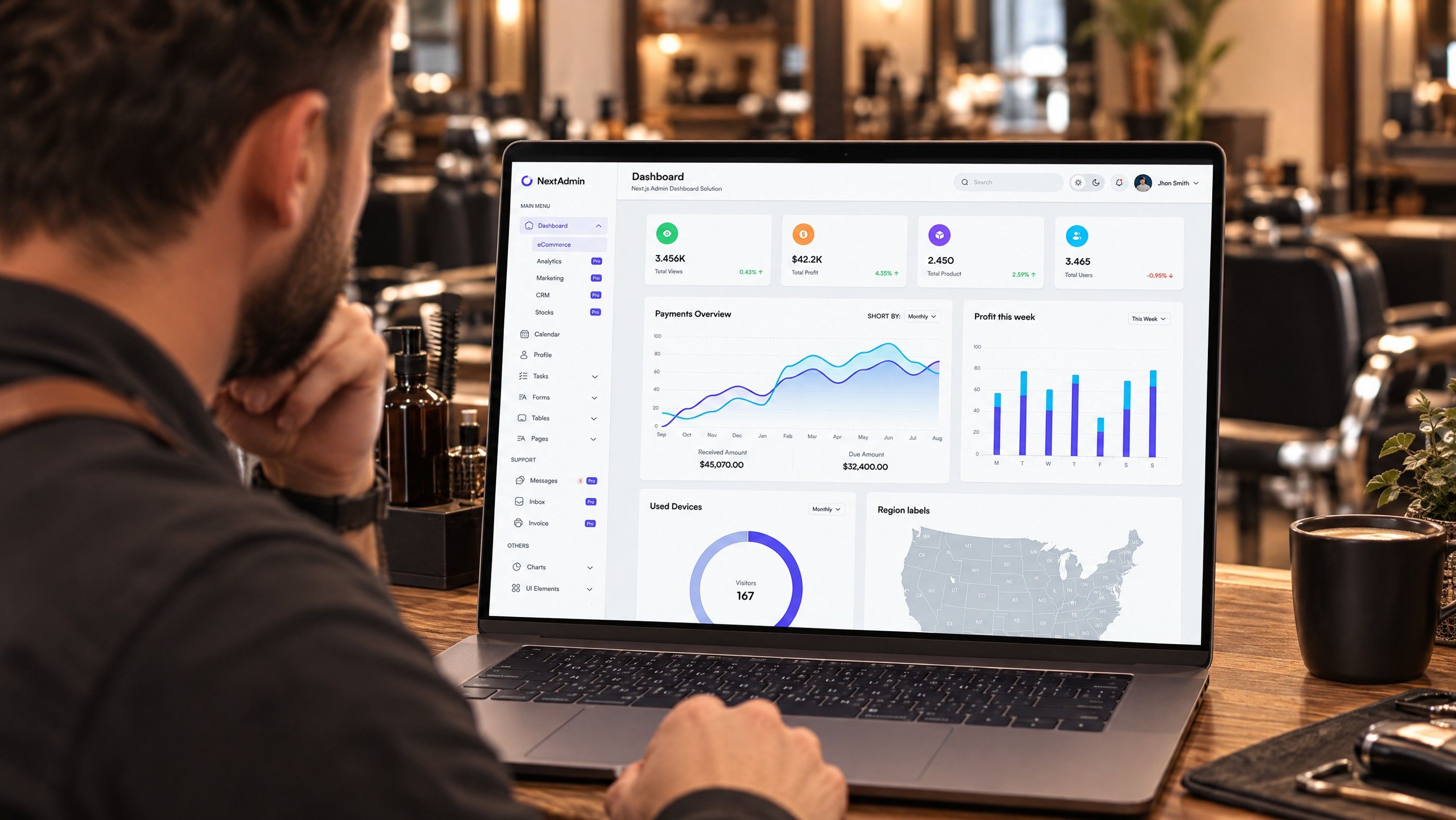
The ecommerce development tools a Saudi online store needs fall into a handful of layers: a commerce platform, local payment methods, shipping and delivery integrations, ZATCA compliant e-invoicing, on site search, analytics, a CRM and performance tooling. Choosing well in each layer, and making sure the layers talk to each other, is what lets a store grow without being rebuilt every time sales increase. This guide walks through each layer and the questions to ask before committing.
Ecommerce development Saudi Arabia projects share a few features that shape every decision. Shoppers expect Arabic first, right to left storefronts that feel native, a choice of local payment methods at checkout, fast mobile pages and quick, trackable delivery. Many also want to ask questions on WhatsApp before buying. A tool stack that ignores any of these will leak sales, however good it looks in a demo.
How to think about ecommerce development tools
It helps to see the stack as layers rather than a single product. Some platforms bundle several layers together; others leave you to choose each one. Neither approach is right for everyone.
| Layer | What it does | Typical options in the Kingdom |
|---|---|---|
| Commerce platform | Catalogue, cart, checkout, orders and admin | Salla, Zid, Shopify, WooCommerce, headless or custom builds |
| Payments | Accepting and settling money | Gateways supporting mada, Apple Pay, STC Pay, cards, Tabby and Tamara |
| Shipping | Rates, labels, tracking and returns | Local couriers and shipping aggregators with platform integrations |
| Invoicing and tax | Compliant invoices and records | Accounting or ERP systems that support ZATCA e-invoicing |
| Search and merchandising | Helping shoppers find products | Built in search or dedicated search tools with Arabic support |
| Analytics | Measuring traffic, behaviour and sales | Google Analytics, platform reports, ad pixels and a data warehouse for larger stores |
| CRM and messaging | Customer records, email, SMS and WhatsApp | CRM platforms, marketing automation and the WhatsApp Business Platform |
| Performance and monitoring | Speed, uptime and error tracking | CDNs, image optimisation, Lighthouse, Search Console and uptime monitors |
The rest of this article looks at each layer in turn, with a focus on what matters for scalable ecommerce in the Saudi market.
Choosing an ecommerce platform in Saudi Arabia
The platform is the foundation. It decides how much you can customise, how integrations are built and how much technical effort the store needs over time.
Salla and Zid
Salla and Zid are Saudi built platforms designed around the local market. Arabic storefronts, local payment options and local shipping connections are part of their core offer, and their app stores cover many common needs. They suit merchants who want to launch quickly with local features in place and who are comfortable working within the platform's themes and rules. The question to ask is how far you expect to customise checkout, pricing logic or integrations as you grow.
Shopify
Shopify is a hosted global platform with a large app ecosystem and strong reliability. Arabic and RTL storefronts are possible with the right theme and setup, and many gateways that serve the Kingdom offer Shopify integrations. It suits brands selling across several countries or planning to expand beyond Saudi Arabia. Our Shopify developers page explains how we approach Arabic first Shopify builds.
WooCommerce
WooCommerce runs on WordPress and gives full control over code, hosting and data. It suits businesses that want deep customisation, already run WordPress, or need to combine rich content with commerce. The trade off is responsibility: hosting, security, updates and performance are yours to manage. Our WooCommerce developers page and the guide to WordPress website cost in Saudi Arabia cover what that involves.
Headless and custom builds
A headless store separates the storefront from the commerce engine. The front end is built with a modern framework and talks to the platform through APIs. This allows very fast pages, unusual shopping experiences, mobile apps sharing the same backend and multiple storefronts for different markets. It requires a stronger development team and more planning. Read more on our headless commerce page.
Platform comparison at a glance
| Platform type | Best suited to | Watch out for |
|---|---|---|
| Salla or Zid | Local merchants launching quickly with Saudi features ready | Limits on deep customisation and complex integrations |
| Shopify | Brands selling regionally or globally with standard flows | App sprawl and theme quality for Arabic |
| WooCommerce | Content heavy stores needing full control | Hosting, security and maintenance responsibility |
| Headless or custom | Larger brands with unique experiences or several channels | Higher build complexity and need for a skilled team |
Payments: the tools that decide checkout conversion
Checkout is where Saudi shoppers are most sensitive. If their preferred method is missing, many will leave.
- mada: the national debit card network and an essential option for most Saudi stores.
- Apple Pay: widely used on iPhones for quick mobile checkout.
- STC Pay: a popular digital wallet in the Kingdom.
- Credit cards: Visa and Mastercard for shoppers who prefer cards.
- Buy now pay later: Tabby and Tamara let shoppers split payments, which can help higher value baskets.
- Cash on delivery: still expected in some categories, though it brings cost and return risk that should be managed carefully.
Most stores reach these methods through one or two payment gateways rather than integrating each one separately. When choosing a gateway, compare supported methods, settlement times, refund handling, fraud tools, platform plugins and the quality of developer documentation. Test every method on real devices in both languages before launch.
For more on gateway selection and integration, see our payment integration service.
Shipping, fulfilment and returns
Delivery experience shapes reviews and repeat purchases as much as the product itself. The tools in this layer connect your store to the couriers and warehouses that move goods.
What to integrate
- Live shipping rates or clear rate tables by city and region
- Automatic label creation and pickup booking from the order screen
- Tracking numbers sent to customers by SMS, email or WhatsApp in their language
- Address capture that works with Saudi addresses, including the national address format and map pins
- Returns requests and status updates without a phone call
- Stock sync with a warehouse or fulfilment partner if you use one
Shipping aggregators can connect several couriers through one integration, which helps when you want different carriers for different cities or order types. Larger stores often add an order management system to route orders between warehouses and stores.
ZATCA e-invoicing and accounting
Businesses in the Kingdom must issue invoices that meet the electronic invoicing requirements set by ZATCA, known as Fatoora. For an online store, this usually means connecting the commerce platform to an accounting or ERP system that supports compliant e-invoicing, so each order produces the correct invoice automatically.
Points to check when choosing tools in this layer:
- Whether your accounting or ERP system supports the current phase of e-invoicing that applies to your business
- How orders, refunds and credit notes flow from the store into the accounting system
- Whether invoices are available to customers in Arabic and English
- How VAT is calculated and displayed at checkout and on invoices
Requirements and deadlines depend on your business, so confirm your obligations with a tax adviser, legal counsel or ZATCA directly.
Search, merchandising and content
As a catalogue grows, shoppers rely on search and filters. Arabic search brings specific challenges: different spellings, letter forms, with or without diacritics, and shoppers who type Arabic product names in Latin letters. Good search tools handle synonyms, typos and both languages, and let merchandisers pin or boost products.
Product content matters too. Clear Arabic and English titles, specifications, size guides and quality images reduce questions and returns. A product information management tool can help when you have many products, suppliers or channels. For organic traffic, structured data, clean URLs and separate metadata for each language support search visibility; our guide to SEO services in Saudi Arabia explains the wider picture.
Analytics, CRM and customer messaging
Analytics
Set up ecommerce tracking in Google Analytics with consistent events for product views, add to cart, checkout steps and purchases. Install ad pixels and server side events for the platforms you advertise on. Larger stores often send data to a warehouse so finance, marketing and operations work from the same numbers.
CRM and marketing automation
A CRM holds customer profiles, order history and segments. Marketing automation sends abandoned cart reminders, post purchase follow ups and win back messages. For Saudi stores, WhatsApp is often the most effective channel for these messages, using approved templates through the WhatsApp Business Platform. Make sure consent and data handling reflect the Personal Data Protection Law, and confirm the details with legal counsel.
AI assistants
Some stores add an AI assistant to answer product, sizing and delivery questions in Arabic and English, around the clock, before handing complex cases to staff. This works best when connected to live stock and order data. See our AI chatbot development page for how this fits into a store.
Performance and monitoring tools for scalable ecommerce
A store that is fast with a hundred products can slow down badly with thousands of products and heavy campaign traffic. Performance tooling keeps it quick as it grows.
- CDN and caching: serve pages and images from locations close to Saudi shoppers.
- Image optimisation: modern formats and correct sizing for mobile screens.
- Core Web Vitals monitoring: track real user speed through Search Console and lab tools such as Lighthouse.
- Uptime and error monitoring: get alerts before customers report problems, especially during sales.
- Load testing: rehearse big campaign days, such as White Friday, Ramadan and national occasions, before they arrive.
- App and script audits: review third party apps regularly and remove those you no longer need.
Our Core Web Vitals service focuses on this layer for existing stores.
A step list for choosing your stack
Use these steps to compare ecommerce development tools in a consistent order, so each decision builds on the one before it.
- Define the business model. Products, catalogue size, markets, channels, expected order volume and growth plans.
- List must have local features. Arabic RTL, mada, Apple Pay, STC Pay, BNPL, Saudi addresses, WhatsApp and e-invoicing.
- Map existing systems. ERP, accounting, warehouse, CRM and marketing tools that the store must connect to.
- Shortlist platforms. Match the platform type to your need for speed, control and customisation.
- Choose gateways and couriers. Check integrations exist for your shortlisted platform.
- Plan data and analytics. Agree events, naming and reporting before launch, not after.
- Check ownership and exit routes. Make sure you can export products, customers and orders if you ever change platform.
- Prototype the checkout. Test the full purchase flow on mobile in both languages with real payment methods.
- Plan for growth. Confirm how the stack handles more products, more traffic and new markets.
How Codeeo helps Saudi businesses with online store development
Codeeo plans and builds online stores for Saudi businesses on Shopify, WooCommerce and headless stacks, and connects them to the payment, shipping, invoicing, CRM and messaging tools covered above. Our approach to online store development starts with your business model and existing systems, then chooses the tools that fit rather than the ones we prefer.
We have delivered 200+ projects across the UAE and the US, with a team of 80+ across Dubai, Riyadh and Karachi, and clients rate us 4.7 from 23 Google reviews. Clients in Riyadh can meet the team in person at our office; in Jeddah, Dammam and elsewhere in the Kingdom we work through video calls. Read more about our ecommerce website development in Saudi Arabia, or contact Codeeo to talk through the right stack for your store.
Frequently asked questions
There is no single ecommerce platform Saudi Arabia stores should all use.
Salla and Zid suit local merchants who want Saudi features ready at launch. Shopify suits brands selling across several countries with standard flows. WooCommerce suits stores needing full control and rich content. Headless builds suit larger brands with unique experiences or several channels. The right choice depends on your catalogue, integrations and growth plans.
E-CommerceHow to Start an Ecommerce Business in Saudi ArabiaHow to start an ecommerce business in Saudi Arabia: registration, platform, payments like mada and Tabby, shipping, VAT, e-invoicing and growth. E-CommerceSalla vs Shopify vs WooCommerce: Choosing an Ecommerce Platform in Saudi ArabiaCompare Salla, Zid, Shopify and WooCommerce for a Saudi store: Arabic, local payments, shipping, e-invoicing, control and when to go custom.
 E-CommerceShopify Instagram Integration in 2026: Setup, Tagging and CostsHow to connect Shopify to Instagram in 2026: the requirements, setup steps, product tagging, checkout, costs and fixes for common connection errors.
Tell us what the business needs. We will tell you what to build first.
Schedule a free consultation and get a written recommendation, with costs, before you commit to anything.
Get in touchPROVEN RESULTS
4.7 / 5verified reviews on Google