 E-CommerceEcommerce Development Tools for Building Scalable Saudi Online StoresThe tool stack behind a scalable Saudi online store: platforms, mada and BNPL payments, shipping, ZATCA e-invoicing, search, analytics and CRM.
How to Start an Ecommerce Business in Saudi Arabia
How to start an ecommerce business in Saudi Arabia: registration, platform, payments like mada and Tabby, shipping, VAT, e-invoicing and growth.
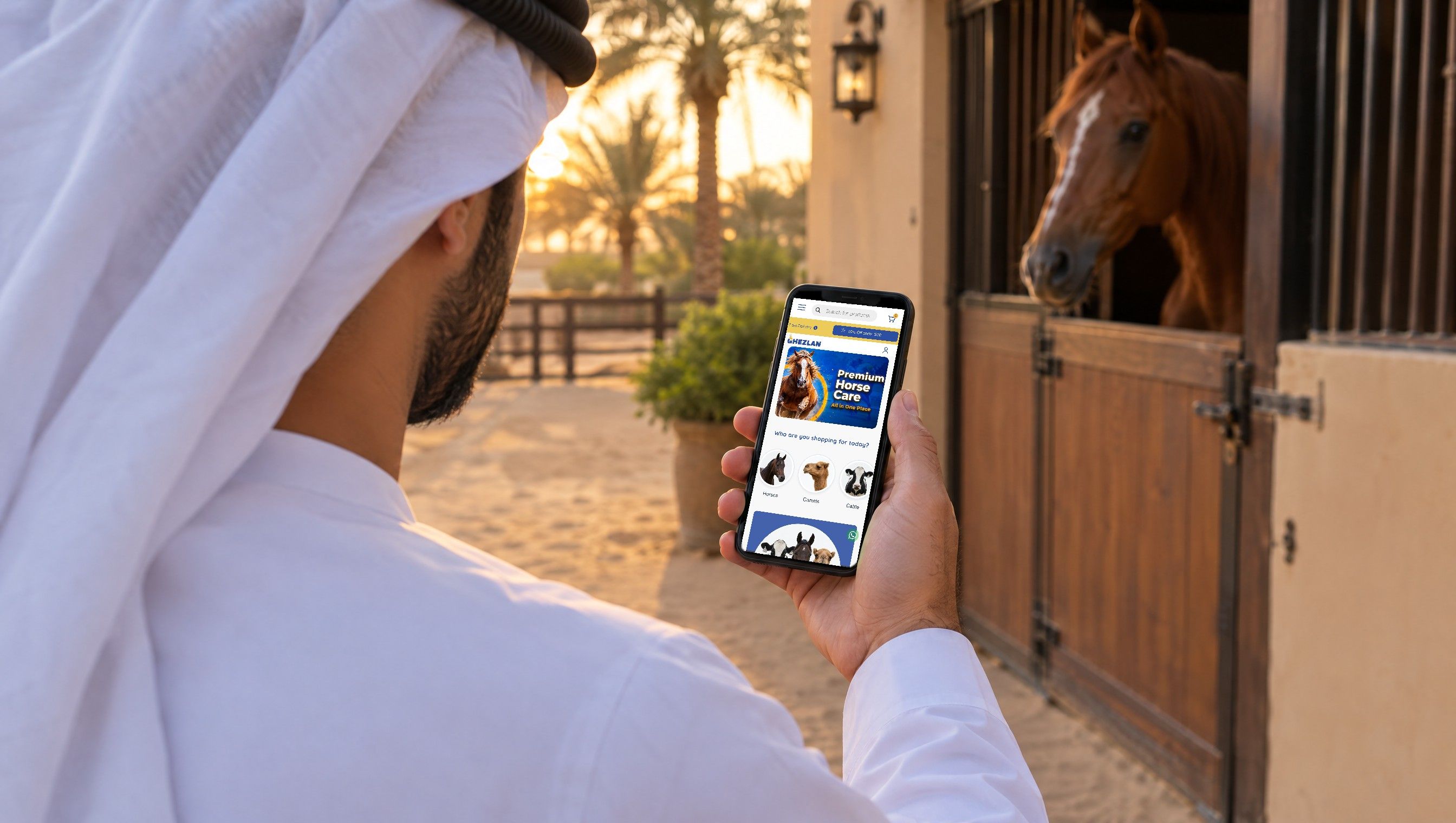
To start an ecommerce business in Saudi Arabia, you register the company and its online trading activity, choose a store platform, connect local payment methods such as mada, Apple Pay, STC Pay, Tabby and Tamara, set up delivery, handle VAT and ZATCA e-invoicing, and launch an Arabic first store with a clear marketing plan. Each step is manageable on its own. The businesses that struggle are usually the ones that treat the store as a website project and leave payments, delivery and tax until the week before launch.
This guide sets out the steps in a practical order for founders, retailers moving online and established brands opening a direct channel in Riyadh, Jeddah, Dammam or anywhere else in the Kingdom. It describes regulation in general terms only, because requirements change and depend on your activity, so confirm the details with the Ministry of Commerce, ZATCA and a qualified adviser before you commit.
Step 1: Define what you sell before you start an ecommerce business in Saudi Arabia
Before registration or design, be precise about the business model. The answers shape every later decision, from licensing to platform choice.
- Product type: physical goods, digital products, services or subscriptions. Some categories, such as food, cosmetics, health products and electronics, carry extra product rules.
- Sourcing: own manufacturing, local wholesale, imported stock or dropshipping. Imports bring customs, labelling and conformity requirements.
- Customer: consumers, businesses or both. Business buyers often need tax invoices, credit terms and bulk ordering.
- Geography: one city, the whole Kingdom or the wider Gulf. Delivery promises and costs change with each.
- Channel mix: your own store only, or alongside marketplaces, social commerce and physical shops.
Write this down on one page. It becomes the brief for your registration, your platform and your developers.
Step 2: Register the business and its ecommerce activity
Ecommerce in Saudi Arabia operates under a commercial framework that includes company registration and a dedicated ecommerce law. In general terms, most businesses selling online need:
- A commercial registration through the Ministry of Commerce, with an activity that covers online retail of your product category.
- Any sector specific approvals for regulated products, for example food, cosmetics or medical items.
- Clear business identity on the store: legal name, registration details, contact information and address.
- Published terms covering prices, delivery, returns, cancellations and how complaints are handled.
- Trademark registration for your brand name and logo through SAIP, which protects the brand as it grows.
Foreign owned companies and businesses with special ownership structures follow additional steps. The rules are updated from time to time, so treat this list as a starting point and confirm your exact requirements with the Ministry of Commerce or a business setup adviser.
Step 3: Choose the right ecommerce platform
The platform decision affects cost of ownership, flexibility and how quickly you can launch. The main routes for an online store in Saudi Arabia are:
| Option | Strengths | Watch points |
|---|---|---|
| Salla or Zid | Saudi platforms with local payments, shipping and Arabic built in; fast to launch | Less flexibility for unusual product logic or deep integrations |
| Shopify | Mature hosted platform, large app ecosystem, strong for brands selling across markets | Arabic and right to left quality depends on the theme; some local features need apps |
| WooCommerce | Full control on WordPress, strong for content led stores, flexible customisation | You manage hosting, security and updates, or pay someone to |
| Headless or custom | Maximum performance and flexibility for complex catalogues, B2B or marketplaces | Larger build and maintenance effort; best for established volume |
For a detailed comparison, read our guide to Salla vs Shopify vs WooCommerce in Saudi Arabia. If you already know your direction, our Shopify developers and WooCommerce developers can scope the build.
Questions to ask before choosing
- Does the platform handle Arabic and English properly, including right to left checkout?
- Which local payment methods and delivery companies connect without custom work?
- Can it produce ZATCA compliant e-invoices, directly or through an integration?
- Will it connect to your ERP, accounting or warehouse system later?
- Who owns the customer data, and can you export it if you move?
Step 4: Set up payments Saudi customers trust
Checkout is where many new stores lose sales. Saudi shoppers expect familiar, trusted options, and the payment mix should reflect how your customers actually pay.
- mada: the national debit card network, essential for any consumer store.
- Visa and Mastercard: for credit cards and international buyers.
- Apple Pay: widely used on iPhone and fast on mobile checkout.
- STC Pay: a popular digital wallet in the Kingdom.
- Tabby and Tamara: buy now, pay later options that many shoppers look for on larger baskets.
- Cash on delivery: still expected in some categories, but it raises return and failed delivery risk, so decide your policy carefully.

You will usually work with a licensed payment gateway that bundles several of these methods. Compare gateways on supported methods, settlement times, refund handling, fraud tools and how well they integrate with your platform. Our payment integration team connects gateways, wallets and buy now, pay later providers to Saudi stores.
Step 5: Plan shipping, delivery and returns
Delivery is part of the product. Customers judge the store on how quickly and reliably orders arrive, and how easy it is to return something.
Delivery decisions to make early
- Carriers: national and regional couriers such as SPL, Aramex and SMSA, plus same day services in major cities. Many stores use more than one.
- Addresses: support the Saudi National Address and allow location sharing, because informal addresses cause failed deliveries.
- Coverage: decide which cities get express delivery and which get standard, and show this at checkout.
- Fulfilment: pack orders yourself at first, or use a fulfilment provider once volume grows.
- Returns: a clear, simple returns policy that matches what you can operate, published before launch.
- Notifications: order and delivery updates by SMS or WhatsApp, which Saudi customers check far more than email.
Step 6: VAT and ZATCA e-invoicing
Tax setup is not optional, and it is best handled before the first order. In general terms, businesses that meet the registration threshold must register for VAT with ZATCA, charge VAT correctly, show it clearly to customers and keep proper records. Saudi Arabia also requires electronic invoicing through the Fatoora programme, which has been rolled out in phases. Under the later phase, invoicing systems integrate with ZATCA's platform, and businesses are brought in by groups over time.
In practice, this means your store platform, ERP or accounting software must generate compliant invoices, including the required fields and QR code, and be ready to integrate when your business is notified. Check this before choosing a platform rather than after. The ZATCA website publishes the current rules and guidance. Tax obligations depend on your circumstances, so confirm them with a qualified tax adviser or ZATCA directly.
Step 7: Build an Arabic first store
An online store in Saudi Arabia should be designed in Arabic first, with English as a full second language rather than the other way round. That means:
- Right to left layouts that mirror correctly, including filters, carousels and checkout steps.
- Product names, descriptions and policies written by native Arabic writers, not machine translated.
- Arabic search that handles spelling variations, so customers find products however they type.
- Fast mobile pages, because most shoppers browse and buy on their phones.
- Clear trust signals: business details, return policy, delivery times, secure payment marks and real reviews.
- Separate Arabic and English URLs with correct hreflang, so each language can rank in search.
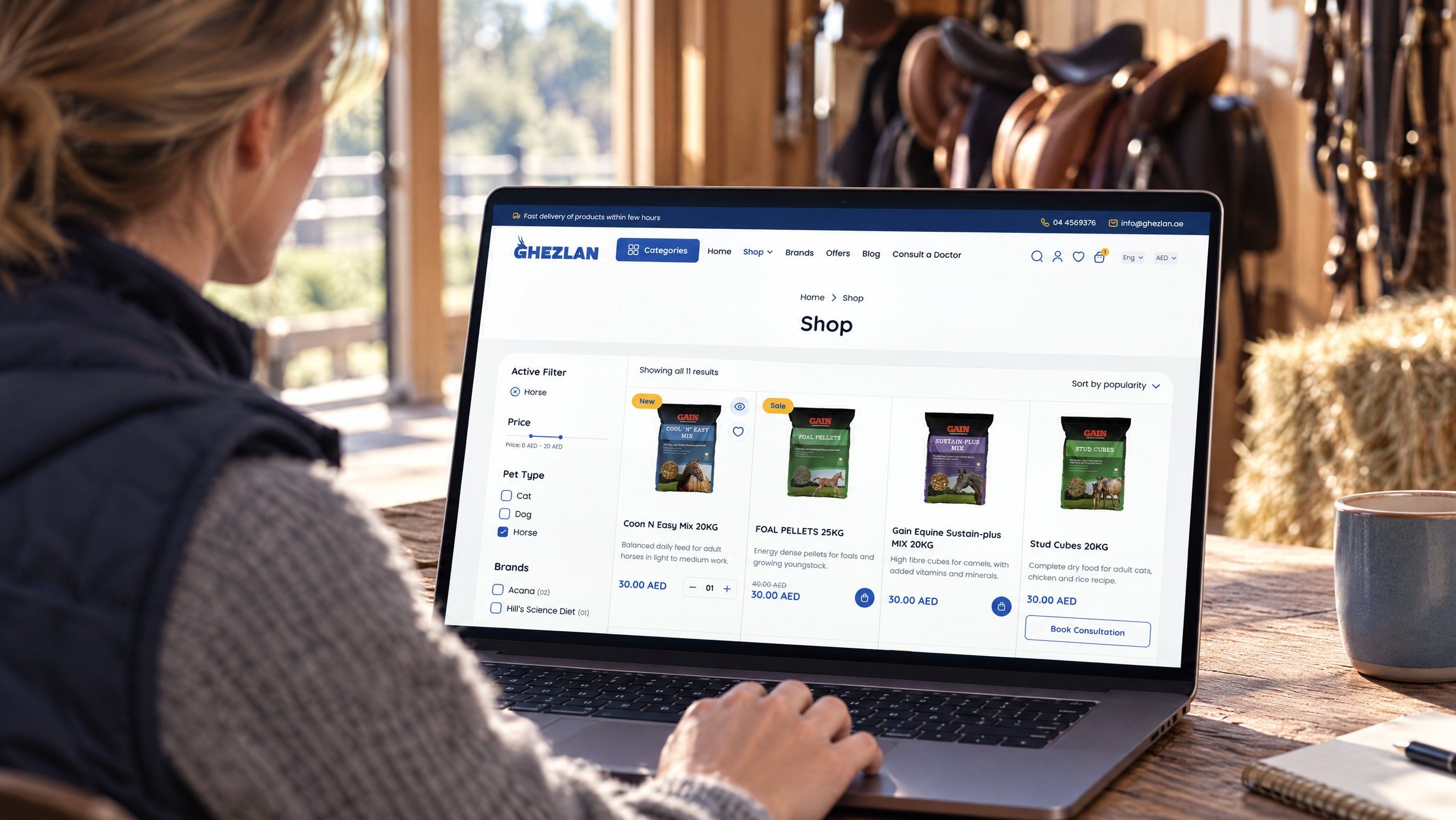
Professional ecommerce website development in Saudi Arabia covers these details as standard. If you are building yourself, test the Arabic version with real customers before launch.
Step 8: Market the store and win the first customers
Launching the store is the start of the work, not the end. Plan marketing alongside the build so traffic arrives on day one.
- Search: research what customers type in Arabic and English, then build category and product pages around those terms. Our Arabic SEO keyword research guide explains the method.
- Paid social: Snapchat, Instagram, TikTok and X are all widely used in the Kingdom. Test creative in Arabic and send traffic to fast product pages.
- Search ads: capture shoppers already looking for your products, starting with tightly matched keywords.
- WhatsApp: offer a WhatsApp button for pre purchase questions, and use it for order updates with customer consent.
- Influencers: work with creators whose audience matches yours, and check the current rules on commercial content and disclosure.
- Retention: collect consent for email and messaging, and plan repeat purchase campaigns from the first month.
For a structured plan, our digital marketing team runs search, social and retention campaigns for Saudi stores.
Step 9: Measure, improve and grow
From launch, track a small set of numbers every week: traffic by channel, conversion rate by device, average order value, delivery success, return rate and repeat customers. Look for the biggest leak first. It is often checkout on mobile, slow product pages, unclear delivery times or a missing payment method.
As the business grows, typical next steps include connecting the store to an ERP or warehouse system, adding a loyalty programme, opening marketplace channels, launching a mobile app, or moving to a more flexible platform if the first one becomes limiting. Each step is easier if the original build kept clean data and clear integrations.
Launch checklist: how to sell online in Saudi Arabia
- One page business model: products, customers, sourcing, geography, channels.
- Commercial registration with the right activity, and any product approvals.
- Trademark application for the brand.
- Platform chosen against Arabic, payments, delivery and e-invoicing needs.
- Payment gateway with mada, cards, Apple Pay, STC Pay, Tabby and Tamara as needed.
- Carriers, coverage, National Address support and returns policy agreed.
- VAT registration checked and e-invoicing readiness confirmed.
- Arabic first design, native content, mobile speed and trust signals in place.
- Published terms, privacy notice and business details on the store.
- Marketing plan ready for launch week, with tracking installed.
- Weekly reporting on conversion, delivery and repeat purchase.
How Codeeo helps Saudi businesses start ecommerce
Codeeo has delivered 200+ projects across the UAE and the US, with a team of 80+ across Dubai, Riyadh and Karachi, and is rated 4.7 from 23 Google reviews. For businesses that want to start an ecommerce business in Saudi Arabia, we design and build Arabic first stores on Shopify, WooCommerce and custom stacks, connect local payment and delivery providers, and plan the integrations your finance and operations teams will need.
We also help after launch with search, paid campaigns and ongoing improvements. Riyadh clients can meet the team in person at our Riyadh office, and clients in Jeddah, Dammam and elsewhere work with us over video calls. Contact Codeeo to talk through your store idea and the right way to launch it.
Frequently asked questions
In general, yes.
Most businesses selling online need a commercial registration through the Ministry of Commerce with an activity that covers their type of online trade, plus any approvals required for regulated products. Rules differ for individuals, foreign owned companies and certain categories, so confirm your exact position with the Ministry of Commerce or a business setup adviser.
E-CommerceEcommerce Development Tools for Building Scalable Saudi Online StoresThe tool stack behind a scalable Saudi online store: platforms, mada and BNPL payments, shipping, ZATCA e-invoicing, search, analytics and CRM. E-CommerceSalla vs Shopify vs WooCommerce: Choosing an Ecommerce Platform in Saudi ArabiaCompare Salla, Zid, Shopify and WooCommerce for a Saudi store: Arabic, local payments, shipping, e-invoicing, control and when to go custom.
 E-CommerceShopify Instagram Integration in 2026: Setup, Tagging and CostsHow to connect Shopify to Instagram in 2026: the requirements, setup steps, product tagging, checkout, costs and fixes for common connection errors.
Tell us what the business needs. We will tell you what to build first.
Schedule a free consultation and get a written recommendation, with costs, before you commit to anything.
Get in touchPROVEN RESULTS
4.7 / 5verified reviews on Google