Industries · Education

Software for schools, built around the people who teach.

A bilingual school website built right to left from the first commit, a planning app with an AI assistant beside the lesson, a school programme with feedback spoken aloud, and a revision game for medical students.
Four education products are written up here, from a school's public face to the tools used in class every day.
Case studies
2 projects written up: DIYAFAH, EDSIDERA.
Built for
Schools, academies, edtech founders and training providers.
Typical scope
Parent and student portals, teacher tools, bilingual school websites, payments and exports.
Rated
4.7 / 5 from 23 Google reviews

In short

Education software is judged in the classroom, by people with thirty students in front of them and no time to learn a new interface. Across four products, a bilingual school website, a teacher planning app with an AI assistant, a school programme platform with spoken feedback and a revision game for medical students, the same lesson kept coming back: the product has to fit the school day as it is, not as a brochure imagines it.

What the sector asks of software

Three things every education build has to get right.

Each one is drawn from a project on this site, not from a sector report.
01

Two audiences at once

A school speaks to parents who want to enrol and to students and staff who use the system daily. Diyafah's site serves families in English and Arabic; Edsidera runs the classroom, the awards and the parent payments from one backend.

Diyafah, Edsidera

02

Teachers have no spare minutes

A tool that adds steps loses the staffroom. Brilliant Teaching turns a blank planning sheet into a guided flow with generated concepts, and Edsidera lets teachers give feedback from preset comments and text to speech.

Brilliant Teaching, Edsidera

03

Content has to fit the course

Medi Quest Play models institutions and academics so the question bank matches what a student is actually studying, and the game is administered through the API rather than rebuilt per cohort.

Medi Quest Play

Case studies · Education and e-learning

2 projects behind this page, each from the problem it began with.

Open any card for the brief, what we did and what changed for the people using it.

All case studies
01

Education

DIYAFAH

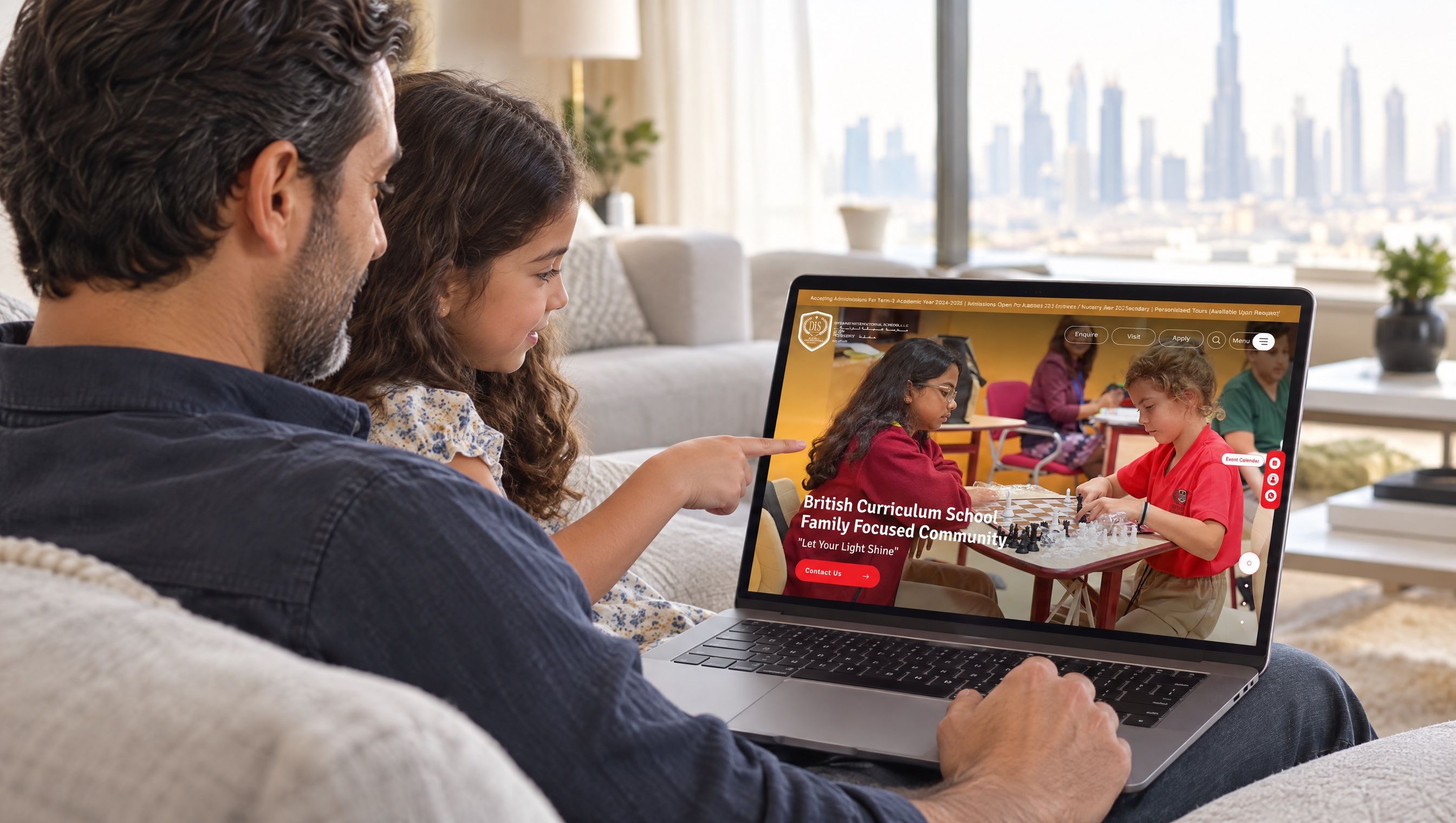
A bilingual school website built so the Arabic edition is the equal of the English one.

Most bilingual builds treat Arabic as a translation layer bolted on at the end, which shows up as broken layouts and stranded English. This was built right to left from the first commit, with its own typography and its own content, so an Arabic visitor gets the designed experience rather than a mirrored one.

View case
02

Education

EDSIDERA

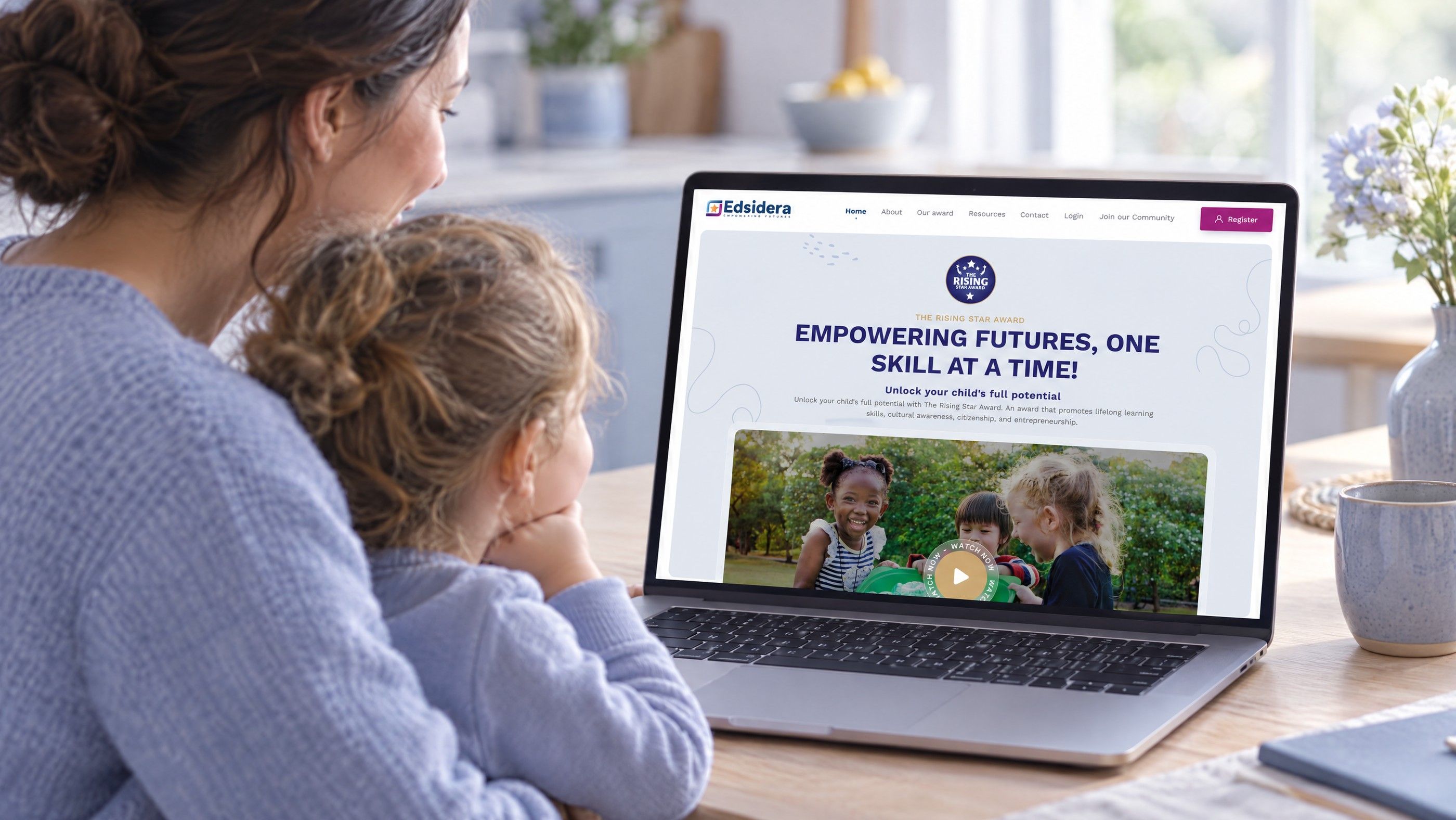
A school platform with classes, tasks, preset feedback, awards, exports and payments, with a mobile app, a web app and a payment portal.

Edsidera runs the day to day of a school programme: classes and tasks for students, preset comments and text to speech for teachers, a Rising Star award system, exports for administrators and payments for parents. It shipped as a mobile app, a Flutter web app and a Stripe payment front end on a shared backend.

View case

Sector notes

What building for schools has taught us.

Four education products, four different users: parents, teachers, students and the programme office. The notes below are what we would tell a school or an edtech founder before the first sprint.

01

The parent's first visit is the admissions interview

A school website is read by a family deciding whether to trust the school with their child. Diyafah, a British curriculum school in Dubai, needed that first visit to work in Arabic as well as it worked in English. The usual approach bolts a translation layer onto an English site and ends with mirrored layouts, stranded English strings and an Arabic edition that looks like an afterthought.

We built the Arabic edition right to left from the first commit, with its own typography and its own content rather than a machine mirror of the English. The result is two full language editions, each designed, and zero layouts fixed after launch for the Arabic side. For a school, that is not decoration. It tells an Arabic speaking family that they are the audience, not a translation.

02

Teachers will not adopt a tool that adds steps

Brilliant Teaching started from a blank planning sheet, which is where most teachers lose an evening. The product turns planning into a guided flow: a teacher creates a unit, generates concepts for it, picks the activities that fit and tracks the lessons as they are taught, with a chat assistant beside the plan rather than in a separate tab. Subscriptions, plan changes and payments run through the API with webhooks, so upgrading never becomes a support ticket.

Edsidera approached the same problem from the feedback side. Teachers give feedback from preset comments and the platform reads it aloud through Google text to speech, so a younger student hears the comment in a voice rather than decoding a sentence. In both products the measure of success was the same: fewer steps than the paper process it replaced.

03

One backend, several front ends

A school programme has more surfaces than a single app. Edsidera shipped as a Flutter mobile app for students and teachers, a Flutter web app, and a Next.js payment portal where parents pay through Stripe, all on one Node.js backend on AWS. Classes, tasks, a Rising Star award system and exports for administrators live in the same place, so a record a teacher creates on a phone is the record an administrator exports on a desktop.

Medi Quest Play is a reminder that educational content has to fit the course. Institutions and academics are modelled in the data, so a medical student plays rounds built from their own syllabus, and the question bank is administered through the API rather than rebuilt for every cohort. Revision became a game with rounds and scores instead of a list, and the content stayed in the hands of the people who teach it.

What we build

From the school website to the tools used in class.

Each capability below has shipped at least once for a school or a learning product.
Explain your project
  • Bilingual school websites

    English and Arabic editions with their own content and typography, built right to left from the start, not mirrored at the end.

    You get an Arabic edition families trust, with no layouts to fix after launch.

  • Teacher planning and feedback tools

    Unit and lesson builders, generated concepts, preset comments and spoken feedback, with an assistant beside the plan.

    Teachers plan a unit in minutes and give feedback a child can hear.

  • Student and parent portals

    Classes, tasks, awards and records for students; payments and summaries for parents; exports for administrators.

    Records, awards and payments live in one place for every family.

  • Learning games and assessments

    Question banks, rounds and scores, organised by institution and course, managed from an admin.

    Students revise in rounds and scores, with content matched to their course.

  • Subscriptions and school payments

    Plans, changes and card payments with webhook confirmation, so billing never needs a support ticket.

    Billing runs itself; no support ticket to change a plan.

  • Admin and reporting

    A console for the programme office: users, content, exports and the numbers behind them.

    The programme office exports what it needs the day it is asked for.

How it ships

How a school or learning product ships with us.

The path Diyafah, Brilliant Teaching, Edsidera and Medi Quest Play took, from the first conversation to a term in use.

Your briefSchool, academy or edtech team

Discovery

  • Shadow the school dayTeachers, programme office, parentsMap the paper process the product replaces and who touches it.
  • Plan both languagesArabic and EnglishContent, typography and right to left layouts decided before design.

Build

  • One backendNode.js or NestJS on AWSClasses, tasks, awards, payments and exports in a single API.
  • Apps and portalsFlutter, Next.js, StripeStudent and teacher apps, a parent payment portal and an admin.
  • Assistants and speechAI chat, Google text to speechGenerated concepts beside the plan and spoken feedback where it helps.
Delegated to
Flutter engineerAPI engineerNext.js engineerQA and pilot lead

Quality

  • Pilot with one classA term with a real groupWhat they skip gets cut before the whole school joins.
  • Review in both languagesLayouts, content, paymentsNothing ships with a stranded English string on the Arabic side.
  1. ApprovedClient sign off per release
  2. ObserveTwo weeks of live use
  3. Live and handed overCode, cloud and docs are yours

Numbers from the work

What the education projects delivered.

Taken from the case studies, not rounded up.

2

full language editions on the Diyafah site, each with its own content and type

3

front ends for Edsidera: mobile, web and a payments portal

0

layouts fixed after launch for the Arabic edition

Guided

unit creation with generated concepts in Brilliant Teaching

Questions schools and edtech teams ask us

Yes, and both editions get equal care.

Diyafah's site was built right to left from the first commit with its own Arabic typography and content. Nothing is a mirrored translation layer, which is why no layouts had to be fixed after launch.

Tell us what the business needs. We will tell you what to build first.

Schedule a free consultation and get a written recommendation, with costs, before you commit to anything.

Get in touch

PROVEN RESULTS

4.7 / 5from 23 Google reviews