





Services · UI/UX and product design

Designed so the first guess is the right one.

Nobody reads an interface. They scan it and guess what to do next. We design so the guess is right, then put it in front of people who have never seen the product to find out where it is not.
Research, flows, interface design, design systems and usability testing, for products and websites that have to be understood in a glance.
Built for
Products and websites that have to be understood in a glance by people who will not read the instructions.
Typical timeline
Three to six weeks for research, flows and tested prototypes before a build starts.
What you own
The Figma files, the research findings and the design system, handed over organised for developers.
Rated
4.7 / 5 from 23 Google reviews

200+ companies servedFrom a first store to an ADX listed developer

Modon
Majid Al Futtaim
HP
Belkin
Dulsco Group
OneClickDrive
Hanayen
HMS
Clocksprings
Ghezlan

What you get

Design that is tested, not admired.

Every deliverable here exists to make a product easier to use. Pretty is a side effect. As a UI/UX design agency in the UK, we treat product design as research, flows and testing before anything is made to look good.
Explain your project
  • UX researchers

    Interviews and task analysis with real users, before anyone draws a screen.

    You build the product people asked for, not the one the room assumed they wanted.

  • UI designers

    Interfaces built from a system of parts, consistent across every screen and state.

    Every screen looks like it belongs to the same product, and new ones are quick to add.

  • Product designers

    The whole product thought through: onboarding, empty states, errors and what happens at scale.

    The edge cases are designed before build, so engineers are not inventing screens mid-sprint.

  • Design systems

    Tokens, components and documentation that keep ten screens or a thousand consistent.

    Design and development time drops because the parts already exist, and nothing drifts.

  • Wireframing

    Structure and flow agreed in grey boxes, where changes cost minutes.

    Structural changes cost minutes in grey boxes rather than sprints in code.

  • Prototyping

    Clickable prototypes on real devices, so testing happens before building.

    You leave with a clickable prototype tested on real users before committing engineering time.

  • Usability testing

    Five people who have never seen it, watched doing the three tasks that matter.

    You see where people get stuck while it is still cheap to fix.

  • Accessibility audits

    WCAG review and fixes, because an interface that excludes people is a broken one.

    You pass procurement and legal review, and the product works for everyone who uses it.

  • Figma design

    Files organised for developers: components, variants, specs and a handover that holds.

    Developers build from specs, not screenshots, and ask fewer questions.

  • Interaction design

    Motion and feedback that tell people what just happened without a tooltip.

    People know what just happened without a tooltip, so support tickets fall.

Who this is for

Three points where design pays for itself.

Nobody reads an interface. They scan it and guess. Three points where design pays for itself, and what we test to prove it did. Good product design and a shared design system are what keep a product consistent after the first release.
01

Before a build, to avoid building the wrong thing

A tested prototype costs a fraction of a tested release. Discovery and design first is how projects stay on budget.

A tested prototype costs a fraction of a tested release.

02

When a product works but people get lost in it

Support tickets and drop-off tell you where. Testing tells you why. We redesign the flows, not the colours.

Tickets say where; testing says why.

03

When the brand and the product have drifted apart

A design system brings the website, the app and the marketing back to one language, and keeps them there.

One system across site, app and marketing.

Four phases, with real users in two of them.

  1. 01DiscoverWho uses it, for what, and where they struggle today. Interviews, analytics and support logs, turned into the three tasks the design has to make easy.
  2. 02DesignFlows and wireframes first, visual design second, always on the real content. Prototypes go in front of users and the parts they stumble on are redesigned.
  3. 03BuildHand-off is a conversation, not a file drop. We sit with the engineers through the build, and review what ships against the prototype that tested well.
  4. 04MeasureTask completion and drop-off after launch, compared to the baseline from discovery. The design is finished when the numbers say it is.

Selected work

Where this service has already shipped.

Two or three of the companies this lane has built for. The full list is on the work page.

01

Entertainment

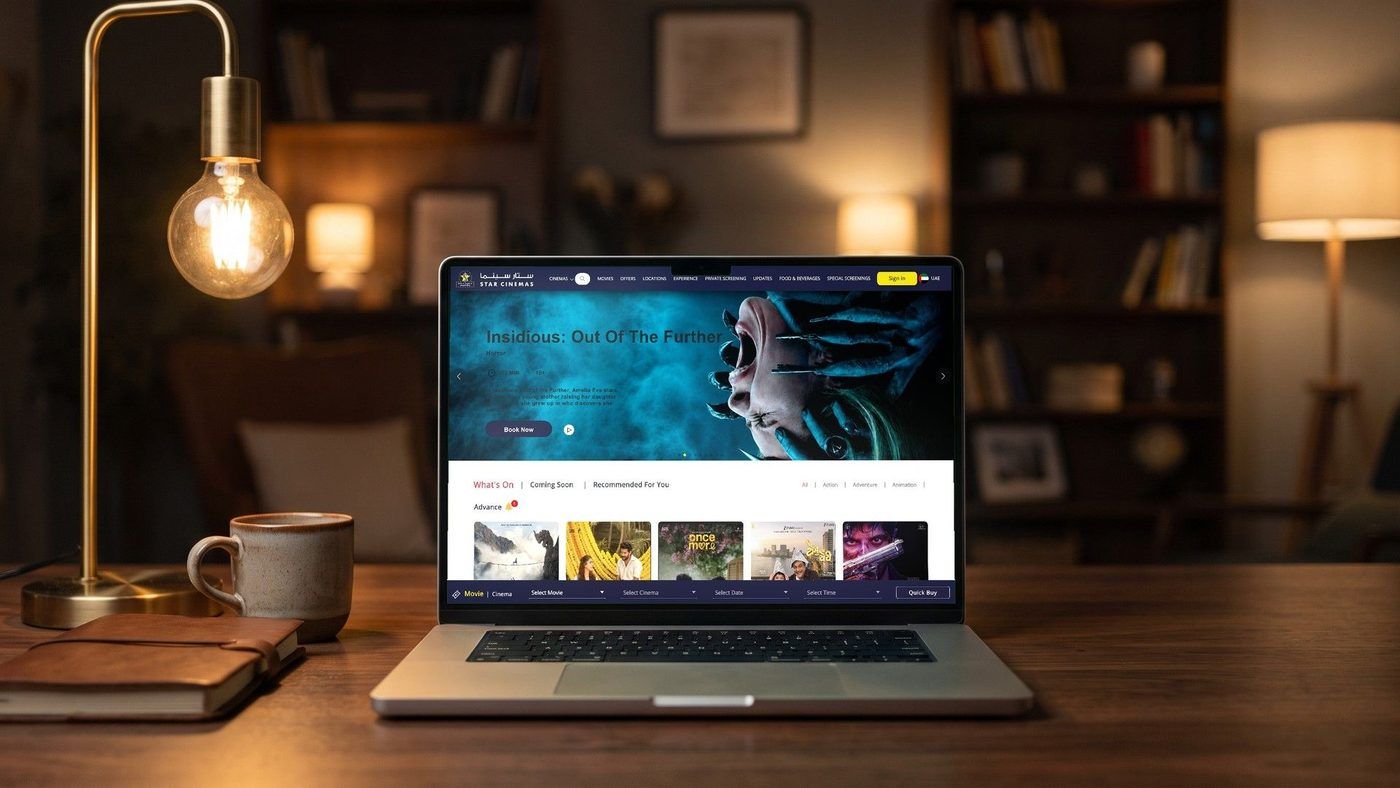
STAR CINEMAS

Ticketing across 100+ screens, rebuilt so seat selection works on a phone in under a minute.

The old flow asked for a cinema, a film, a date and a time before it would show a single seat, which is three screens of commitment before any value. We rebuilt it around the seat map, with showtimes as a filter rather than a gate, and made the whole path work one handed on a phone in a dark foyer.

View case
02

Education

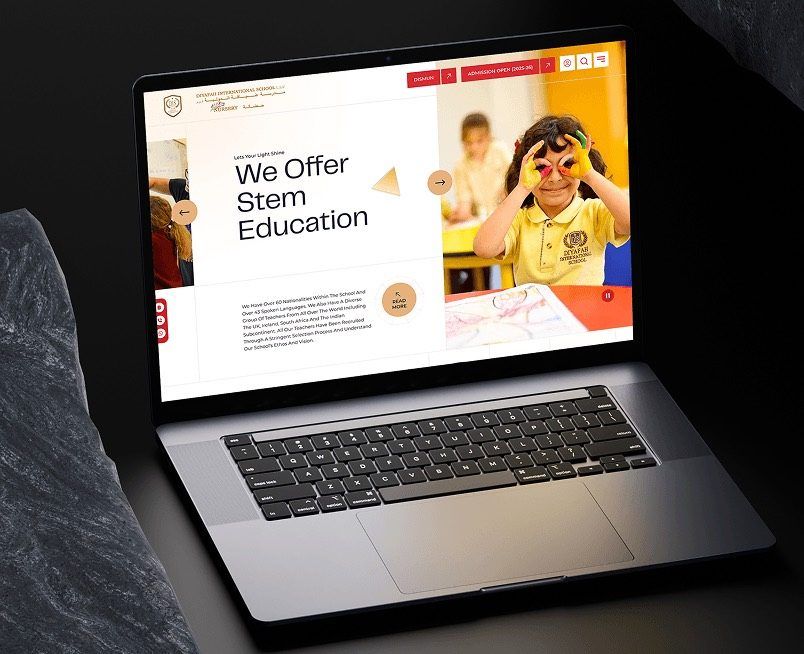
DIYAFAH

A bilingual school website built so the Arabic edition is the equal of the English one.

Most bilingual builds treat Arabic as a translation layer bolted on at the end, which shows up as broken layouts and stranded English. This was built right to left from the first commit, with its own typography and its own content, so an Arabic visitor gets the designed experience rather than a mirrored one.

View case

Technology

What we build this with.

Chosen to fit the problem and the team who will own it afterwards.

01Web

  • React
  • Next.js
  • TypeScript
  • Node.js
  • Laravel
  • WordPress

02Mobile

  • Swift
  • Kotlin
  • Flutter
  • React Native

Questions people ask before a design engagement.

You can skip it. It costs more later.

Research is a week or two of talking to users and reading the data. It is the cheapest insurance against building something people do not understand, and it usually changes the brief.

Tell us what the business needs. We will tell you what to build first.

Schedule a free consultation and get a written recommendation, with costs, before you commit to anything.

Get in touch

PROVEN RESULTS

4.7 / 5from 23 Google reviews