Industries · Healthcare

Healthcare software that respects the clinic's day.

A physiotherapy group's site organised by the complaint a patient searches for, a workforce platform that books shifts and logs incidents, and an aesthetic clinic site the team edits themselves.
Three healthcare builds are written up here, from the public face of a clinic to the app its staff use on shift.
Case studies
3 projects written up: HMS, DISTINCT, EGL AESTHETIC.
Built for
Clinics, physiotherapy and sports medicine groups, healthcare staffing providers and aesthetic practices.
Typical scope
Clinic websites with appointment requests, staff and shift platforms, incident reporting, content a medical team can edit.
Rated
4.7 / 5 from 23 Google reviews

In short

Healthcare software has two audiences that rarely meet: the patient looking for help and the staff delivering it. We have built for both, a physiotherapy and sports medicine group's site organised by the complaint a patient searches for, a workforce platform where healthcare staff book shifts and report incidents from a phone, and an aesthetic clinic site the team edits without a developer.

What the sector asks of software

Three things every healthcare build has to get right.

Each one is drawn from a project on this site, not from a sector report.
01

Patients search by complaint, not by department

HMS was built with a page for each condition people actually look for, with the professionals and treatments behind it, and an appointment request on the pages that matter.

HMS Health and Medical Services

02

Staff work in shifts, and everything hangs off the shift

Distinct models the working life of healthcare staff: a catalogue of roles, shifts to book, incidents to report on the spot, reviews and rewards afterwards, with broadcasts to keep everyone informed.

Distinct

03

The clinic has to edit its own content

Treatments, people, events and courses change constantly. HMS runs on a headless CMS; EGL Aesthetic runs on WordPress with a custom theme that survives updates. Neither needs a developer for a new page.

HMS, EGL Aesthetic

Case studies · Healthcare and wellness

3 projects behind this page, each from the problem it began with.

Open any card for the brief, what we did and what changed for the people using it.

All case studies
01

Healthcare

HMS

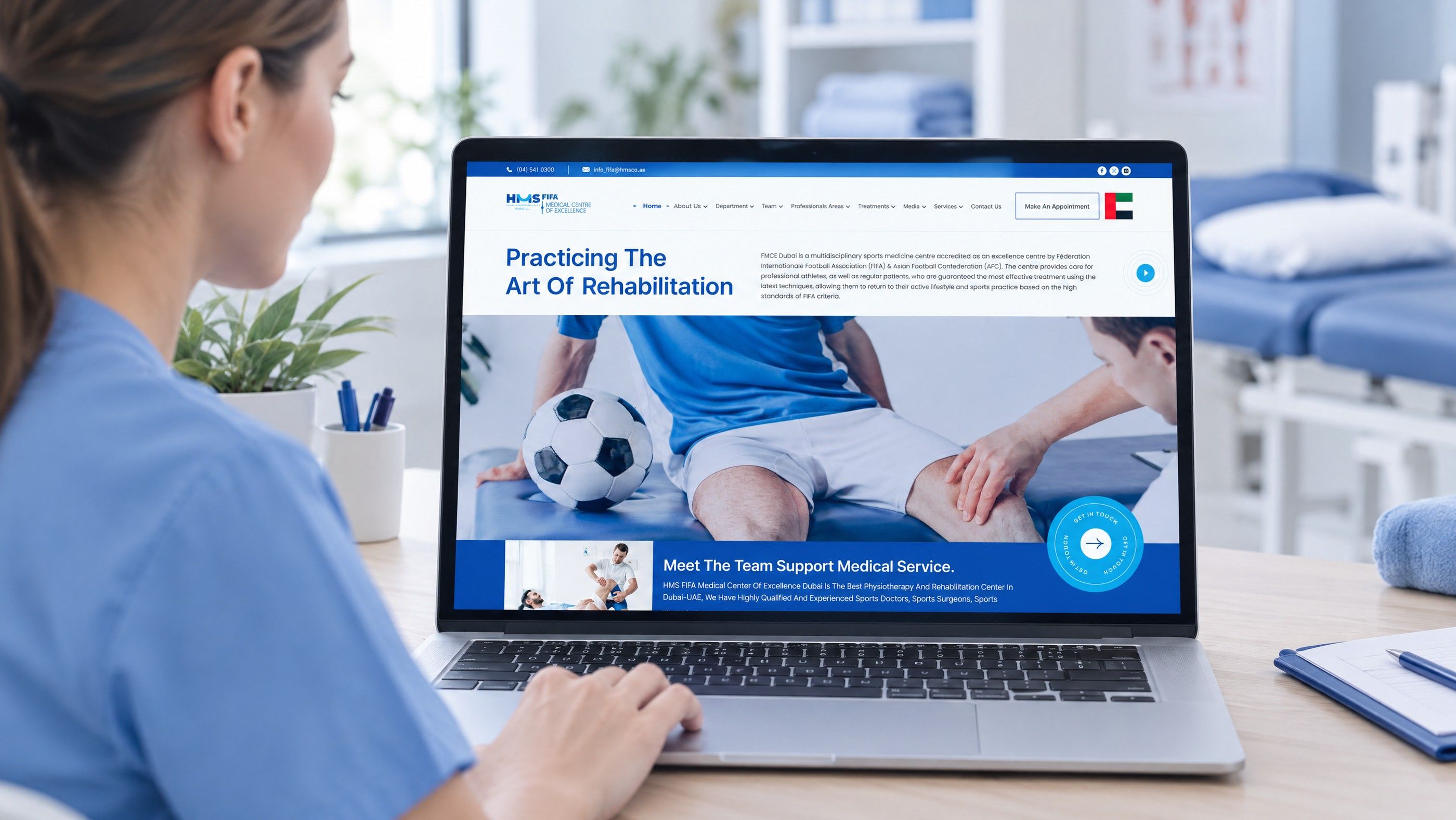
A content managed website for a physiotherapy and sports medicine group, with treatments, professionals, events, training and appointment requests.

HMS Health and Medical Services needed more than a brochure: treatments by condition, the professionals behind them, departments, scientific activities, training courses and events, all editable, with an appointment form that reaches the clinic. Built on Next.js with a Strapi CMS and S3 media.

View case
02

Healthcare

DISTINCT

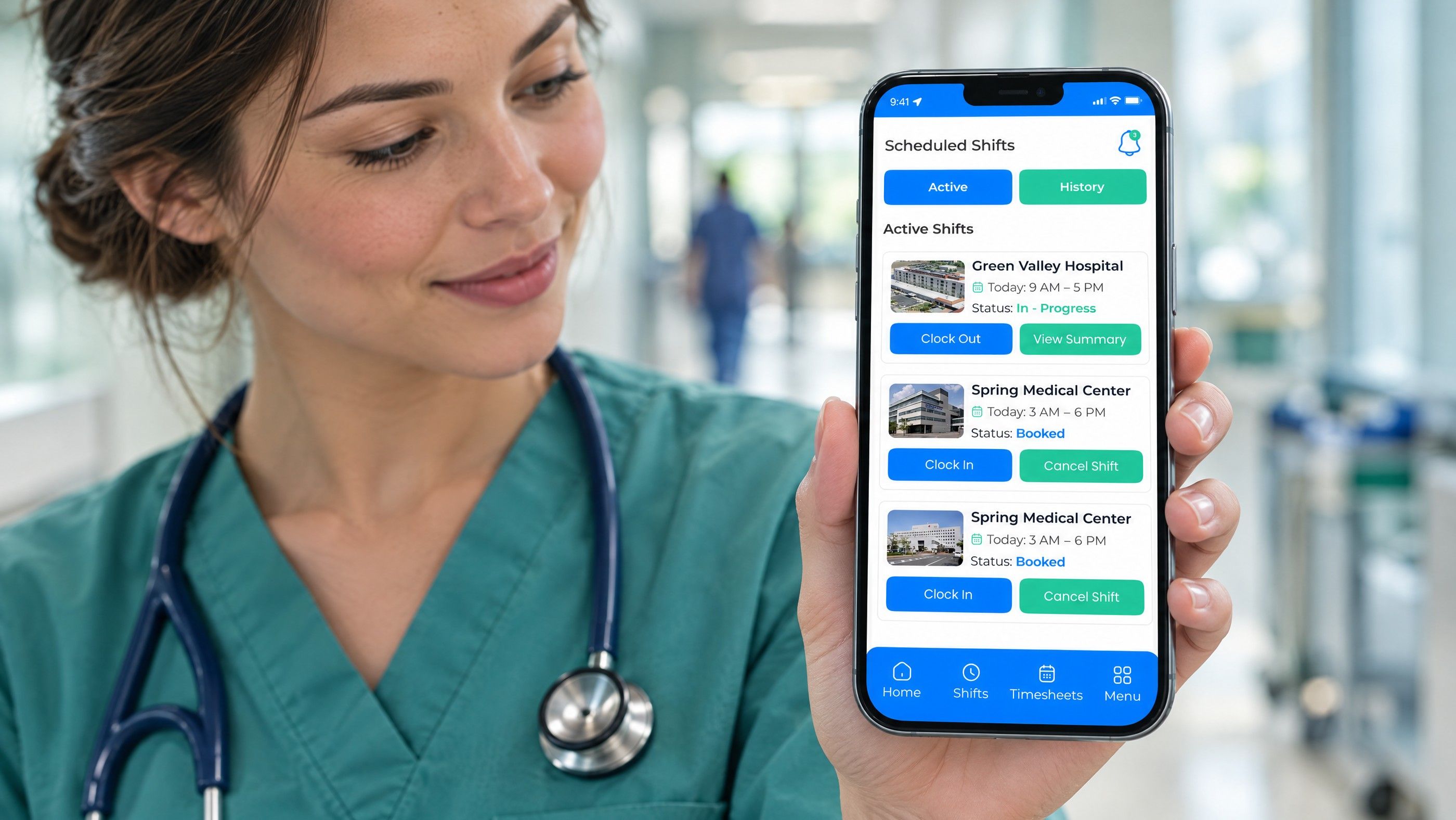
A healthcare workforce platform with a catalogue, shifts, bookings, incident reports, reviews, rewards and a design system shared by web and admin.

Distinct models the working life of healthcare staff: a catalogue of roles, shifts to book, incidents to report, reviews and rewards after the fact, with notifications and broadcasts to keep everyone informed. The web app and admin share one design system, and the mobile app sits on the same API.

View case
03

Healthcare

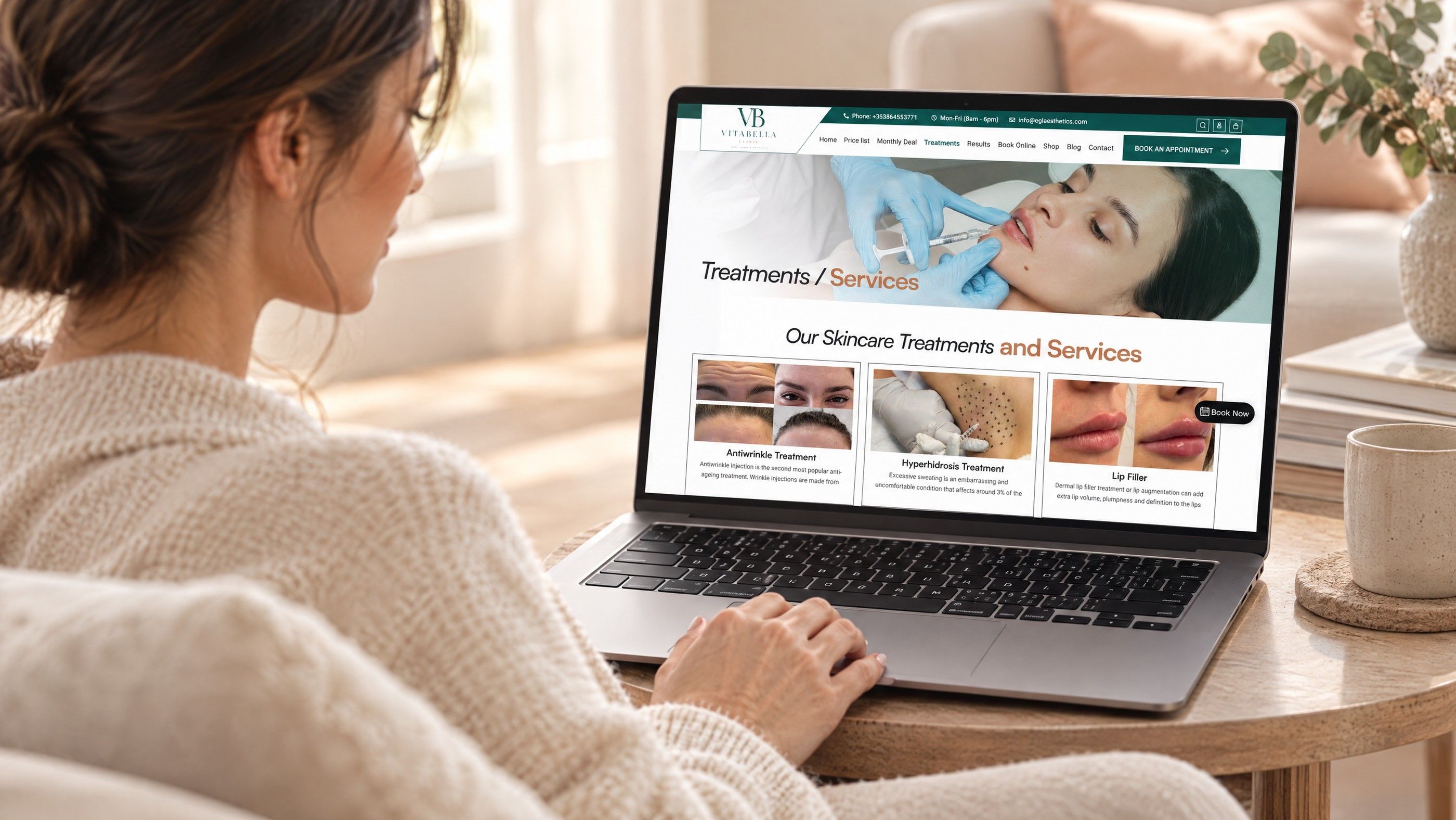
EGL AESTHETIC

A WordPress site for an aesthetic clinic with a custom child theme, blog banners and widgets designed for the brand rather than borrowed.

EGL Aesthetic needed a site the clinic could edit and that looked like the clinic rather than a template. It runs on WordPress with a custom theme built on top of Astra, so the team edits pages and posts while the layout stays the designed one.

View case

Sector notes

What building for clinics and healthcare staff has taught us.

Three healthcare builds, from the public face of a clinic to the app its workforce runs on. These are the things we would say to a clinic director or a staffing founder before the first sprint.

01

Patients search by complaint, so the site is organised by complaint

HMS Health and Medical Services wanted more than a brochure. Patients do not search for a department; they search for knee pain, a sports injury or a condition a doctor named. So the site has a page for each condition people actually look for, with the treatments, the professionals and the department behind it, and an appointment request on the pages where the decision is made rather than only on a contact page.

Behind that is a Strapi CMS with media in S3 and a Next.js front end, so every treatment, person, event, course and scientific activity is editable by the clinic. When a new consultant joins or a training course opens, the clinic adds it the same afternoon. The site is a living index of what the group does, kept current by the people who do it.

02

Everything in a staffing business hangs off the shift

Distinct models the working life of healthcare staff rather than a generic job board. There is a catalogue of roles, shifts to book, incidents to report on the spot, and reviews and rewards after the shift is done, with notifications and broadcasts so a change reaches everyone it affects. The unit of work is the shift, and booking, incident, review and reward all attach to it.

The mobile app is Flutter, the web app and the admin are Next.js on one shared design system, and all three sit on a NestJS API. A shift booked on a phone in a corridor appears in the admin at once, and the web app and the operations console cannot drift apart visually because they are built from the same components.

03

The clinic has to own its site

EGL Aesthetic needed a site that looked like the clinic rather than a template, and that the team could edit. It runs on WordPress with a custom child theme built on Astra, so the designed layout survives parent theme updates and the team edits pages, blog banners and widgets without touching code.

The choice between WordPress and a headless CMS is made by who will run the site, not by fashion. HMS has many content types and relationships, so a structured CMS fits. EGL Aesthetic needed a designed, editable marketing site, so WordPress with a theme the brand owns was the right call. In both cases the test is the same: can the clinic publish without calling us.

What we build

From the clinic's website to the platform its staff run on.

Each capability below has shipped for a clinic, a practice or a healthcare staffing business.
Explain your project
  • Clinic and practice websites

    Treatments by condition, the professionals behind them, departments, events and training, all editable, with appointment requests that reach the front desk.

    Patients find the page for their complaint and book from it.

  • Healthcare workforce platforms

    Role catalogues, shift booking, incident reports, reviews and rewards, with push and broadcasts for changes.

    Staff book shifts and report incidents from a phone in the corridor.

  • Patient appointment flows

    Request forms placed on the pages where a patient decides, routed to the clinic rather than a shared inbox.

    Requests reach the front desk, not a shared inbox.

  • Design systems across web and admin

    One component library shared by the patient facing app and the operations console, so the two never drift apart.

    The patient app and the operations console never drift apart.

  • Content management for medical teams

    Strapi or WordPress depending on the team, with media in S3 and a theme the brand owns.

    The clinic publishes a new consultant or course the same afternoon.

  • Mobile apps for staff

    Flutter apps on the same API as the web, so a shift booked on a phone shows in the admin at once.

    A shift booked on a phone shows in the admin at once.

How it ships

How a clinic site or staff platform ships with us.

The path HMS, Distinct and EGL Aesthetic took, from the patient's search and the clinician's shift to a platform the clinic runs.

Your briefClinic, group or staffing provider

Discovery

  • Map the two journeysPatient search, staff shiftWhat a patient looks for and what a clinician needs during a shift.
  • Decide access firstRoles and audit trailWho sees what is settled before a screen is drawn.

Build

  • One API, one design systemNestJS, Next.js, FlutterStaff app, web app and admin built from the same components.
  • Content the clinic editsStrapi or WordPress, S3 mediaTreatments, professionals, events and courses in the clinic's hands.
  • Appointment and shift flowsRequests, bookings, incidentsForms where decisions happen, bookings attached to the shift.
Delegated to
Flutter engineerAPI engineerCMS engineerQA lead

Quality

  • Walk a real shiftStaff and front deskBooking, incident, review and reward tested on a phone in a corridor.
  • Access reviewEvery sensitive action traceableWho did what and when, provable before launch.
  1. ApprovedClient sign off per release
  2. ObserveTwo weeks of live use
  3. Live and handed overCode, cloud and docs are yours

Numbers from the work

What the healthcare projects delivered.

Taken from the case studies, not rounded up.

Per shift

booking, incidents, review and reward in Distinct

By condition

HMS pages built around the complaints patients search for

Editable

every treatment, person and event in the HMS CMS

Custom

an EGL Aesthetic theme designed for the brand, not a template

Questions clinics and healthcare teams ask us

Yes, that is the default.

HMS runs on Next.js with a Strapi CMS and S3 media, so treatments, professionals and events are edited by the clinic. EGL Aesthetic runs on WordPress with a custom child theme that keeps the designed layout through parent updates.

Tell us what the business needs. We will tell you what to build first.

Schedule a free consultation and get a written recommendation, with costs, before you commit to anything.

Get in touch

PROVEN RESULTS

4.7 / 5from 23 Google reviews