





Services · Mobile app development

Apps people open a second time.

An app lives or dies on the second open, not the first. We build the flows people come back to, ship to both stores, and stay on it after launch when the reviews start telling you what to fix.
Native Swift and Kotlin where the product needs it, Flutter or React Native where one codebase is the better business decision.
Built for
Companies with customers who already buy from them and need the second purchase to be easier than the first.
Typical timeline
Three to five months for a focused first release, including store review and a launch month.
What you own
The repository, the App Store and Play accounts and every credential, in your name from day one.
Rated
4.7 / 5 from 23 Google reviews

200+ companies across the US and the UAEFrom a first store to a listed developer

Modon
Majid Al Futtaim
HP
Belkin
Dulsco Group
OneClickDrive
Hanayen
HMS
Clocksprings
Ghezlan

What you get

Everything between the idea and the store listing.

The ten things a mobile engagement actually involves, so you can see where your project starts. Our mobile app development covers iOS and Android apps built from one codebase where that suits the product, and natively where it does not.
Explain your project
  • Flutter developers

    One Dart codebase for iOS and Android, with native plugins where the platform demands them.

    You pay for one app and get two, and a bug fixed once is fixed on both platforms.

  • React Native developers

    For teams already on React, so web and mobile share logic and people.

    You hire one kind of engineer instead of three, and your web team can read the mobile code.

  • Swift developers

    Native iOS when performance, camera, payments or widgets are the product.

    You get the camera, Apple Pay and widgets working the way iPhone owners expect on day one.

  • Kotlin developers

    Native Android, including the devices and OS versions your users really run.

    You stop losing users on the mid-range Android phones most of the market actually owns.

  • iOS app development

    App Store review, TestFlight, in-app purchase and the privacy labels Apple now insists on.

    You launch on the date you planned, not a fortnight later after a rejection.

  • Android app development

    Play Console, staged rollouts and the fragmentation testing nobody budgets for.

    A bad release reaches five percent of users and is pulled, not all of them.

  • Cross platform apps

    A straight answer on when one codebase is cheaper and when it costs you twice.

    You make the codebase decision once, with the real cost of each option in front of you.

  • App Store launch

    Listings, screenshots, review notes and the first week of crash monitoring.

    Your listing converts from the first day and the first crashes are fixed before reviews mention them.

  • Mobile UI engineering

    Gestures, transitions and offline states that feel like the platform, not a website in a frame.

    Users keep the app because it feels native, which is the difference reviews are written about.

  • App maintenance

    OS updates, dependency upgrades and the fixes your reviews ask for, on a retainer.

    An OS release never takes your app down, and the fixes your reviews ask for actually ship.

Who this is for

Three situations we see most weeks.

An app can look finished and still lose people on the second open. These are the three starting points we meet most, and what each one actually needs. Flutter lets us ship iOS and Android apps together, so both platforms get the same features on the same day.
01

You have a business, not an app yet

Customers already buy from you. The app has to make the second purchase easier than the first, which means starting from the repeat flow, not the onboarding.

Where most first apps come from.

02

You have an app and the reviews are telling you something

Crashes on one Android family, a checkout that loses people on step three. We read the reviews and the analytics before we touch the code.

Audit first, then a written view of what to fix and what to leave.

03

You have a web product and need it in people's pockets

The question is what belongs in the app and what stays on the web. We answer that first, then build the smaller thing well.

Smaller scope, better app.

Four phases, with a build you can install from week two.

  1. 01DiscoverWe map the repeat journey, the one thing a user does on the second open, and the device and OS mix your audience actually has. That decides native or cross platform before anyone argues about frameworks.
  2. 02DesignFlows first, screens second. Prototypes go onto real phones with people who have never seen the product, and the parts they stumble on are redesigned before a line of code.
  3. 03BuildTestFlight and Play internal builds from the second week. Every sprint ends with something installable, tested on the real devices from discovery, not the simulator.
  4. 04MeasureCrash reporting, funnels and store analytics are wired before launch. After it, the first thirty days of reviews and data set the fix list, and we work through it.

Selected work

Where this service has already shipped.

Two or three of the companies this lane has built for. The full list is on the work page.

01

Entertainment

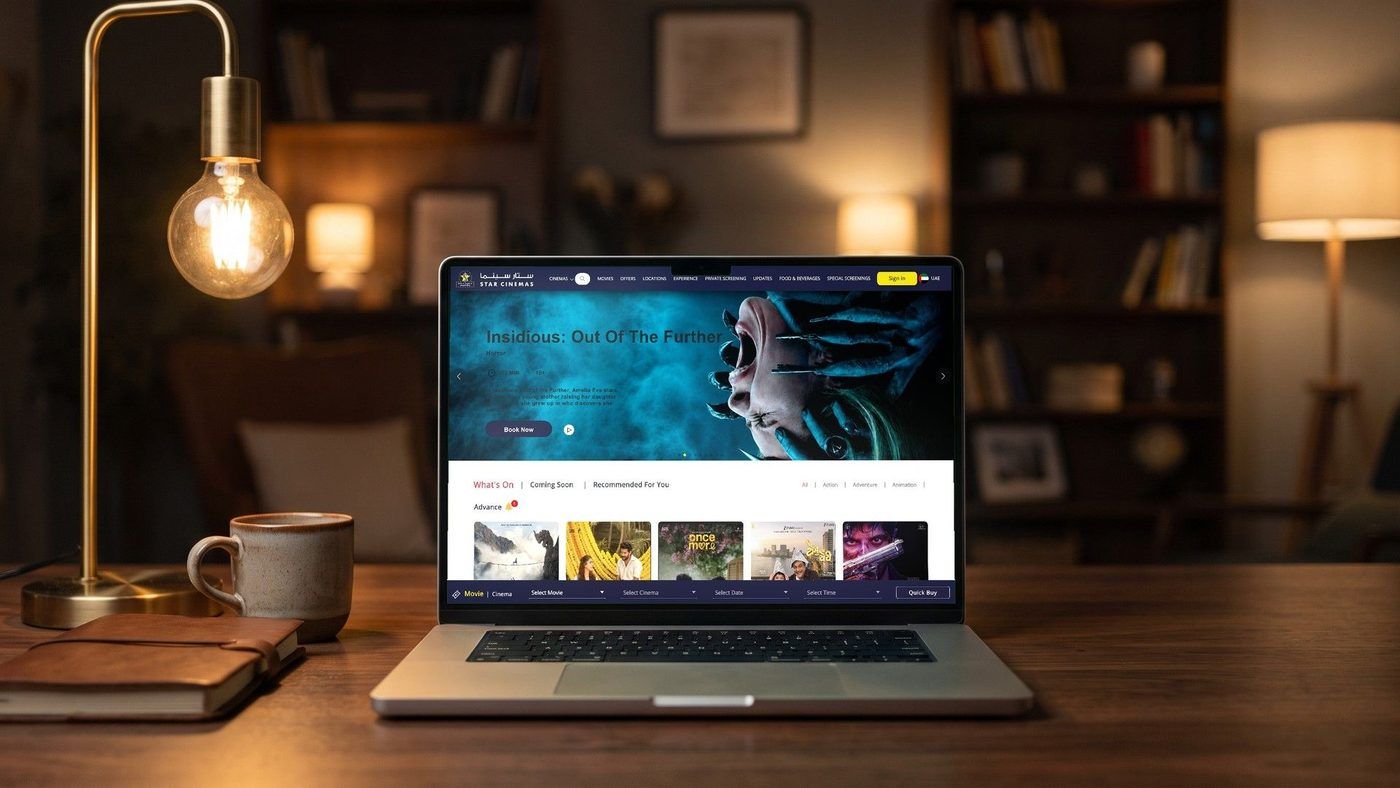
STAR CINEMAS

Ticketing across 100+ screens, rebuilt so seat selection works on a phone in under a minute.

The old flow asked for a cinema, a film, a date and a time before it would show a single seat, which is three screens of commitment before any value. We rebuilt it around the seat map, with showtimes as a filter rather than a gate, and made the whole path work one handed on a phone in a dark foyer.

View case

02

Payments

PURPOSE PAYMENT

A payments product where compliance was designed in from the first sprint, not discovered at the security review.

Payment work carries requirements that are far cheaper to design for than to retrofit: how data is stored, who is allowed to see it, and what has to be provable afterwards. Those were settled before the build started rather than bolted on when the review came around.

View case

Technology

What we build this with.

Chosen to fit the problem and the team who will own it afterwards.

01Mobile

  • Swift
  • Kotlin
  • Flutter
  • React Native

02Data and cloud

  • PostgreSQL
  • MySQL
  • MongoDB
  • AWS
  • Azure
  • Docker

03Marketing and tracking

  • GA4
  • Google Tag Manager
  • Search Console
  • Meta Pixel
  • Looker Studio

Questions people ask before building an app.

It depends on what the app is for, and we will tell you which before you decide.

If the product is the camera, payments, Bluetooth or heavy animation, native Swift and Kotlin win. If the product is a service with screens and lists, Flutter or React Native ship faster and cost less to maintain. Most business apps are the second kind.

Tell us what the business needs. We will tell you what to build first.

Schedule a free consultation and get a written recommendation, with costs, before you commit to anything.

Get in touch

PROVEN RESULTS

4.7 / 5from 23 Google reviews